
Pop-up headlights were rotating or sliding mechanisms that concealed headlamps flush with a vehicle’s body when not in use, pioneered by the 1936 Cord 810 and popularized through icons like the Mazda RX-7, Chevrolet Corvette C5, and Lamborghini Miura. You’ll find they offered critical aerodynamic advantages by reducing drag when retracted, though they increased it 5-11% when deployed. Pedestrian safety regulations effectively ended their production in 2004, as modern lighting technology and EU mandates from 1998 made fixed headlights more practical. This guide explores the engineering innovations, regulatory impacts, and cultural significance that defined this automotive era.
The Revolutionary 1936 Cord 810: Where It All Began
The 1936 Cord 810 established the template for retractable headlamps in production automobiles, marking a decisive shift from purely functional lighting to integrated aerodynamic design. You’ll find Gordon Buehrig’s streamlined body featured hidden door hinges, unitized construction, and a distinctive coffin nose hood complementing those pioneering pop-up lights. The design innovations extended beyond aesthetics—the low silhouette eliminated running boards while step-down flooring reduced overall height.
Engine performance came from a Lycoming V8 displacing 288 cubic inches, delivering 125 horsepower at 3500 RPM and 200 lb-ft torque. This front-wheel-drive configuration achieved 100 mph top speed with 0-60 acceleration in 15 seconds. The transmission featured a 4-speed manual paired with a pre-selector mechanism for seamless gear changes. Despite enthusiastic reception at the 1935 New York Auto Show, production complexities limited output to 2,900 units through 1937.
How Pop-Up Headlight Mechanisms Actually Work
Pop-up headlight mechanisms rely on either electric motors or vacuum actuators to transform concealed lighting into functional illumination. When you activate your headlight switch, the motor—mounted behind the bumper—spins gears that push rods connected to the housing upward. Electric systems offer superior motor reliability and quieter operation than vacuum alternatives, though they’re prone to burnout from moisture and dirt accumulation.
Vacuum systems use actuators controlled by slide valves wired into the light circuit. Some include thermostatic valves that automatically open lids during engine overheating.
Retraction occurs through the same mechanism in reverse, pulling housings back behind flush panels. Limit switches prevent misalignment during operation. The mechanism includes linkages and gears that work together to ensure precision during the raising and lowering process.
Regular mechanism maintenance proves essential—corrosion and unlubricated linkages cause failures. Emergency manual cranks located under rubber caps enable operation when systems fail.
The Aerodynamic Advantages That Made Them Popular
When headlights retract into a vehicle’s body, they eliminate frontal protrusions that disrupt airflow and increase drag coefficient. You’ll find that deployed pop-ups incur a 5-11% drag increase due to flow separation at their front edges, creating recirculation zones and three-dimensional turbulence. This aerodynamic efficiency advantage proved critical before regulations changed—retracted configurations enabled smooth airflow over hoods without interruption.
The design elegance of pop-up systems allowed manufacturers to achieve low, sleek profiles while meeting sealed beam height requirements. Older sports cars faced 8-12% drag penalties when raising headlights, with fuel consumption rising approximately 1 mpg. The C2 Corvette demonstrated a 5.5% drag increase with partially integrated units. The C3 Corvette had the most substantial popup design, causing a 10.7% drag increase. These quantifiable impacts drove adoption in fuel-conscious eras, prioritizing both style and performance until smaller modern lamps eliminated retraction necessity.
Most Iconic Pop-Up Headlight Cars Ever Made
From Cord’s groundbreaking 1936 design through Mazda’s best-selling Miata, pop-up headlights defined automotive aesthetics across six decades of production. The Cord 810‘s hidden lenses pioneered the concept with 125-horsepower elegance, while Lamborghini’s Miura established mid-engine supercar standards with eyelash-like headlamps in the 1960s. Ferrari’s F40 represented the pinnacle of pop-up nostalgia—Enzo Ferrari’s final approved masterpiece incorporating Formula 1 technology before his 1988 death. Porsche’s 928 showcased design evolution from 1978 to 1995 with distinctive “frog eye” mechanisms across multiple models. The Mazda MX-5 Miata democratized the feature, producing thousands of reliable roadsters from 1989 to 1997. The Toyota Corolla AE86 gained cult status through its drifting scene popularity, particularly after its featured role in the anime “Initial D.” Each vehicle demonstrated how retractable headlights balanced aerodynamic efficiency with striking visual appeal, cementing their legendary status.

1. Retro Pop-Up Headlight with Auto LED Light Inspired by Initial D AE86 and Mazda MX5 Miata, our key holder features iconic pop-up headlights that light up instantly when keys are hung, and auto-off after 10 seconds to save battery. This nostalgic design turns your key storage into a fun, eye-catching decor piece for car lovers.

【Classic AE86 flip-up headlight shape】The hook body is inspired by the iconic pop-up headlight design of AE86, perfectly replicating its smooth and rounded convertible headlight outline. This classic aesthetic symbol in the history of automobiles is cleverly transformed into a practical auto accessory, instantly awakening the passionate memories of car fans.

H7 bulb retainer adapter allows you to place your LED headlight bulb firmly and quickly back the original headlamp housing without destroying the original socket.
The Chevrolet Corvette’s 41-Year Love Affair With Pop-Ups
No American sports car committed more fully to hidden headlights than the Chevrolet Corvette, which employed the feature continuously from 1963 through 2004—a 41-year production run spanning five generations. Corvette history began this design evolution with the C2’s vacuum-controlled rotating housings, tracing lineage to GM’s 1938 Buick Y-Job concept. You’ll find pop-ups persisted through the C3, C4, and C5 generations, evolving from mechanical actuation to electric motors while delivering aerodynamic benefits and packaging flexibility. The feature enabled quad-headlight arrangements beneath smooth bodywork, improving high-speed airflow and creating the model’s signature front-end identity. The 1963 model marked the first American car with hidden headlights since the 1942 DeSoto, ending a two-decade absence of the design feature in domestic production. Most vehicles today use standard headlight controls located on the dashboard or steering column to activate their lighting systems. Replacing modern fixed headlight assemblies requires removing clips and disconnecting electrical connectors before installing new units. When the C6 arrived in 2005 with fixed composite projector lamps, advances in headlamp technology, reliability concerns, and pedestrian-safety regulations had finally rendered pop-ups obsolete.

5Pcs front left headlight motor bumpers repair kit, includes 3x bumper stops and 2x washers

Please check the model and size to confirm the headlight motor repair kit fits for your vehicle or not before ordering.
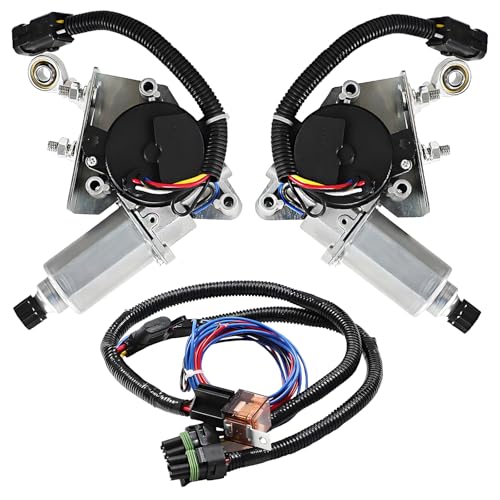
Compatible Models: This Electric Headlight Conversion Kit (left & right) is designed specifically for the following 1968–1982 Chevrolet Corvette C3 models: the 1982 Collector’s Edition Hatchback, 1978 Indianapolis 500 Pace Car Coupe, 1975–1976 Silver Anniversary Edition Coupe, and 1975–1976 Stingray Convertible
Japanese Sports Cars That Defined the Pop-Up Era
Japanese automakers transformed pop-up headlights from a styling novelty into an engineering signature that defined their sports car identity throughout the 1980s and 1990s. The Celica Evolution across multiple generations paired retractable lamps with accessible performance, establishing Toyota’s sports coupe credentials. Meanwhile, the AE86 Legacy emerged through the Sprinter Trueno’s lightweight, rear-wheel-drive platform—immortalized in Initial D and embraced by drift enthusiasts worldwide. Mazda’s rotary-powered RX-7 showcased pop-ups on both FC and FD generations, while the mid-engine MR2 AW11 utilized them for aerodynamic efficiency. Honda’s NSX elevated the concept to supercar status, proving Japanese engineering could compete with European exotics. The A70 Supra combined hidden illumination with a muscular stance and potent engine options, solidifying its reputation as a high-performance grand tourer. These vehicles didn’t just feature pop-up headlights—they weaponized them as visual declarations of performance intent.

Soft cotton blend for toddler comfort: Crafted from a high-quality, ultra-soft cotton-polyester fleece fabric that keeps your toddler warm, cozy, and comfortable all day long. Gentle on sensitive young skin, perfect for daycare, park playdates, and everyday adventures.

LIGHT-UP POP-UP HEADLIGHTS – Hang your keys or key fob on the built-in hook and the headlights automatically rise and illuminate, creating an interactive display that makes everyday key storage more fun and visually distinctive.

European Exotics With Hidden Headlights
European supercar designers recognized pop-up headlights as the engineering solution to an impossible challenge: how to mount legally required lighting on a nose so low it barely cleared the asphalt. The Lamborghini Miura pioneered this approach, integrating retractable lamps into its mid-engine profile—a Design Evolution that influenced the Countach’s wedge silhouette and established Luxury Aesthetics across European Influence. Ferrari’s F40 used hidden lamps for Performance Enhancement within its minimalist aerodynamic package, while the 365 GTB/4 Daytona created the long-bonnet GT template. Engineering Challenges drove innovation: Porsche’s 928 employed rotating pods rather than lifting mechanisms, preserving smooth fascia lines. The Lotus Elan featured pop-up headlights and became a template for successors, directly influencing later models like the Mazda MX-5. These Iconic Models—including BMW’s M1 and 8 Series—embedded Hidden Technology that achieved Cultural Significance, balancing regulatory compliance with the uninterrupted surfacing exotic-car buyers demanded.
Why Pop-Up Headlights Disappeared From New Cars
Although pop-up headlights represented an elegant engineering compromise between aerodynamics and regulation, their demise began with 1998 European Union pedestrian safety mandates that explicitly targeted protruding mechanisms on vehicle front ends. These safety regulations deemed sharp angles and hard housings hazardous in collisions, requiring softer, impact-absorbing designs. Simultaneously, mechanical reliability plagued these systems—electric motors failed frequently, leaving lights stuck in position, while exposure to weather accelerated corrosion of arms and actuators. Repair costs exceeded fixed headlight alternatives considerably. By the early 2000s, advancements in composite materials and HID technology enabled manufacturers to achieve aerodynamic efficiency without moving parts. Automakers abandoned costly redesigns for varying international mandates, embracing integrated fixed lights that aligned with contemporary design preferences for sleeker, flush profiles. The 2004 Chevrolet Corvette C5 marked the final appearance of pop-up headlights on a major production vehicle, effectively ending an era that had defined sports car aesthetics for decades.

PACKAGE INCLUDES:3 x rubber bump stops, 3 x washer shim (6 pieces set).
PACKAGE INCLUDES:6 x rubber bump stops, 6 x washer shim (12 pieces set).

PERMANENT BRASS GEAR UPGRADE: This kit features solid brass gears that eliminate the common failure point of the stock plastic gear. Brass withstands stress and wear far better, providing a durable, long-term fix for stuck headlights.
The Last Models to Feature Pop-Up Headlights
The Chevrolet C5 Corvette claimed the distinction of being the final mass-production vehicle with pop-up headlights when its manufacturing run concluded in 2004, marking the end of an era for mainstream automotive design. The Lotus Esprit also ended production that same year, representing the last pop ups in mainstream applications. Since 2004, you’ll find hidden headlamps only on low-volume specialty vehicles. The production history shows iconic models like the Mazda RX-7 FD generation, Ferrari Testarossa, and Lamborghini Countach defined the design’s peak before regulatory constraints and pedestrian safety standards forced manufacturers to adopt fixed lighting systems. Toyota’s Supra Mark III and Celica GT4 fifth generation exemplified this feature before their successors shifted to conventional configurations. The MG Cyber X recently unveiled pop-up headlights that retract into the body, demonstrating a modern revival of this classic design element in an all-electric vehicle.