You’ll pay between $150 and $250 for headlight switch replacement in most standard vehicles, though costs can reach $700 to $800 for newer models with advanced electronics. The total includes parts ($50-$200) and labor ($75-$125), with dealerships charging considerably more than independent shops. Your specific cost depends on your vehicle’s make and model, whether you choose OEM or aftermarket parts, and the switch’s complexity. Understanding these variables and the legal requirements for functioning headlights will help you make an informed repair decision.
Average Cost Range for Headlight Switch Replacement
Replacing a headlight switch typically costs between $150 and $250 for most standard vehicles, though this range expands considerably based on your vehicle’s make, model, and system complexity. Vehicle ages directly influence pricing—older models like early Toyota Camrys average $185 to $434, while newer versions with advanced electronics can reach $700 to $800. Different headlight types also affect costs markedly. Basic halogen systems maintain lower replacement expenses, whereas HID and LED configurations require sophisticated electronic switches that increase parts pricing. Luxury vehicles demonstrate this variance, with models like the Mercedes-Benz E300 ranging from $290 to $358. Dealership repairs command premium rates of $500 to $1,500+, while independent shops and mobile mechanics offer more economical alternatives between $150 and $500. For a standard Toyota Camry replacement, parts typically cost around $90 while labor accounts for approximately $95 of the total expense.

Direct replacement - this headlight switch knob is designed to match the fit and function of the original control knob on specified vehicles
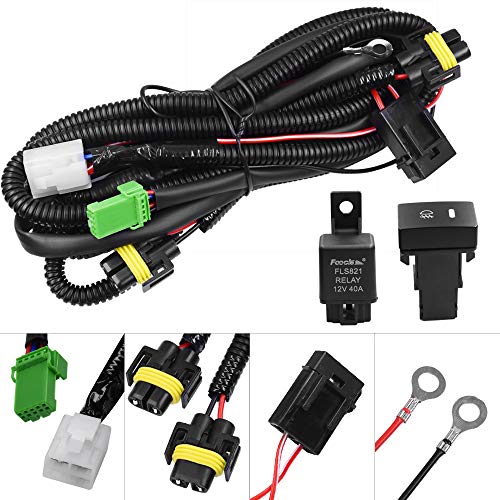
Good For Replacement fog lamps, Add-on fog lights, HID lights, LED daytime running lights, Driving lights, LED work lights, Off-road lighting kit

Heavy Duty, Two-positions, Universal Headlight Switch
Key Factors That Influence Replacement Costs
Understanding price variations requires examining the specific variables that determine your final repair bill. Your vehicle’s make and model directly impacts part pricing—luxury vehicles demand specialized components while standard models use simpler assemblies. Headlight switch types considerably affect costs: basic toggles run cheaper than multifunction units with dimming, auto-leveling, or CAN bus integration. Replacement compatibility matters when choosing between OEM parts (higher cost, guaranteed fit) and aftermarket alternatives (variable pricing and quality). Labor expenses depend on switch accessibility, dashboard complexity, and whether you’ll need diagnostic work to identify wiring faults. Installation difficulty increases with corroded connections, damaged harnesses, or vehicles requiring steering column disassembly. Regional labor rates and technician expertise levels create additional cost variability across repair facilities. Bundling multiple electrical repairs during the same service appointment can reduce per-unit costs by minimizing setup time and diagnostic fees.
Labor Costs and Time Requirements
Additional factors affecting your total include service call fees ($75-$125), diagnostic testing charges, and potential troubleshooting time. Luxury vehicles and hybrid models increase complexity, requiring specialized procedures that extend both labor time and associated costs. Professional installation helps prevent common mistakes like electrical overloads or improper connections that could damage your vehicle’s electrical system.
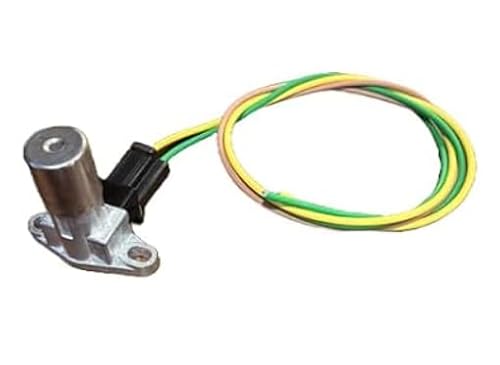
HIGH/LOW BEAM FLOOR SWITCH: Foot-operated dimmer switch that toggles your headlights between high and low beam, the same style GM used for decades.
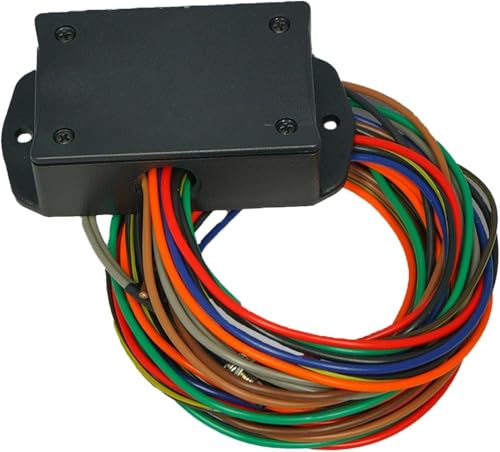
SMART DAY/NIGHT DETECTION: Modernize your older vehicle with intelligent "Set & Forget" technology. The sensitive UV light sensor detects low-light conditions, automatically triggering your headlights and parking lights at dusk or when entering tunnels/parking garages.

【High-quality materials】The light bar is made of high-quality silicone and LED, waterproof and durable, and has a long service life. High quality can not only provide a safer guarantee for your life, but also high quality materials can prolong the service life of the product.
Parts Pricing: OEM vs. Aftermarket Options
When selecting replacement parts for your headlight switch, you’ll encounter a significant price divide between OEM (Original Equipment Manufacturer) and aftermarket options. OEM pricing typically runs 40-60% higher than aftermarket alternatives, with some Motorcraft parts costing five times more than budget aftermarket equivalents. This premium reflects factory specification adherence, tested compatibility with vehicle electrical systems, and manufacturer-backed warranties. Aftermarket savings appeal to cost-conscious buyers, but quality varies substantially by manufacturer and origin. Reputable aftermarket brands deliver adequate performance, while extremely cheap options risk intermittent failures in critical lighting systems. OEM switches guarantee precise fitment and electrical interface compatibility without modifications. Aftermarket parts may require adjustments or present wiring challenges, particularly with universal designs. Scrapyard OEM parts offer a cost-effective middle ground for those seeking original equipment quality at reduced prices. For safety-critical headlight controls, OEM reliability justifies higher costs despite available aftermarket savings.

Country Of Origin : China

12 inches long conversion wiring (white male 3-pin adapter to green female 10-pin socket, switch is not included), good for most 12V aftermarket relay wiring kit with the universal peel-n-stick tear-drop shape switch

Compatibility -1: This headlight switch replacement for 1999 2000 2001 2002 Chevy Silverado 1500 2500; 2001-2002 Chevy Silverado 1500HD 2500HD 3500; 2002 Chevy Avalanche 1500 2500; 2000-2002 Chevy Tahoe Suburban 1500 2500
How Headlight Switch Replacement Compares to Other Headlight Repairs
Headlight switch replacement occupies a distinct position in the spectrum of headlight-related repairs, both in cost structure and technical scope. At $198–$240, it’s positioned between simple bulb replacements ($25–$100) and full assembly swaps ($250–$2,500). Unlike bulb changes requiring minutes, switch replacement demands 1–2 hours of dashboard disassembly and wiring work. Headlight switch benefits include restoring complete headlight control—addressing failures that prevent any light operation, unlike localized bulb issues. The repair’s moderate complexity contrasts with straightforward lens restoration ($80–$150) yet remains simpler than diagnosing ballast or wiring faults ($150–$600). For headlight maintenance tips, prioritize switch function testing during routine inspections, as switch failure eliminates all headlight functionality. When performing bulb replacements alongside switch work, avoid touching the bulb glass to prevent shortening its lifespan. Standardized switch parts (~$100) offer predictable costs compared to variable assembly pricing across vehicle classes. Proper connector and clip management during installation ensures reliable electrical contact and prevents future malfunctions. Professional installation proves essential for headlight switch replacement, as improper wiring connections can lead to electrical system failures that compromise vehicle safety.

Precision Compatibility: Headlamp pigtail connector fit for GM Chevy 1968 1969 1970 1971 1972 1973 1974 1975 1976 1977 1978 1979 1980 1981 1982 1983 1984, replace D1588 01995179 1995179 19245093

Compatibility: Fit for GM Chevy 1968-1984
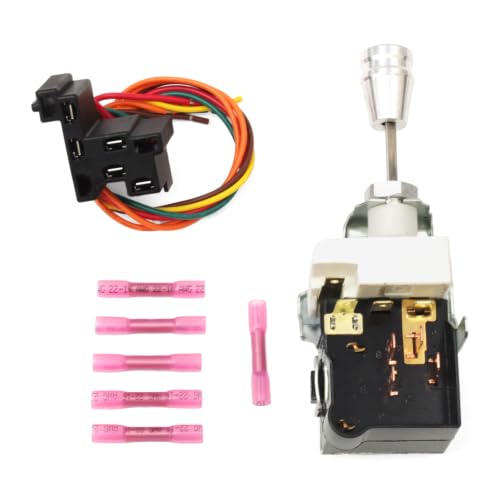
Fit Scope Check: This 1995179 headlight switch pigtail kit replacement for GM for Chevy 1968-1984, it matches reserved mounting spots and cuts extra adjusting steps for quick fitting on compatible vehicle units
Cost Differences Between Dealers, Independent Shops, and Mobile Mechanics
Service provider selection directly impacts your total headlight switch replacement expenditure through distinct pricing structures and operational models. Dealers charge $260-$360, utilizing OEM parts ($130-$210) and premium labor rates ($100-$150/hour). Independent shops reduce costs to $190-$230 through competitive labor pricing ($60-$90/hour) and aftermarket part options ($120-$140). Mobile mechanics deliver ideal cost comparison results at 10-20% below traditional providers, combining labor rates of $60-$75/hour with reduced overhead expenses. Labor duration spans 0.5-1 hour across all service types. Service convenience varies greatly: dealers require facility visits with extended wait times, independent shops offer expedited scheduling, and mobile mechanics provide on-site repairs at your location with flexible seven-day availability and complimentary safety inspections. Region-specific labor rates can cause fluctuation in your final bill, as market conditions vary substantially between urban and rural areas.

Fitment: Fit for GM Chevy 1968 1969 1970 1971 1972 1973 1974 1975 1976 1977 1978 1979 1980 1981 1982 1983 1984

Headlight Switch Pigtail Kit Compatibility - Fit for GM for Chevy 1968-1984.

Compatible with Buick Special 1965-1966; Electra, Gran Sport, LeSabre, Riviera, Skylark, Wildcat 1965-1967
Warranty Coverage and Service Guarantees
Protection mechanisms for headlight switch replacements divide into manufacturer warranties and service guarantees, each offering distinct coverage parameters that affect your long-term ownership costs. Warranty types range from limited lifetime coverage on OEM components to term-specific protection (18 months/100,000 miles) on aftermarket switches. Mechanical and electrical performance receives standard protection, while cosmetic damage and installation errors fall outside coverage boundaries. “No Questions Asked” warranties streamline replacement procedures by eliminating defect verification requirements. Service guarantees typically guarantee OEM-specification compliance and may include labor coverage when replacement occurs at authorized facilities. You’ll need documentation—purchase receipts, installation dates—to validate claims. Processing efficiency depends on manufacturer protocols, with some providers offering technical support before authorizing replacements. Extended warranty options convert standard three-year coverage to lifetime protection on specific electrical components. Non-defective returns typically incur a 15% restocking fee when returned within the accepted timeframe.
Safety Risks of Driving With a Faulty Headlight Switch
While warranty protections and service guarantees provide financial security for headlight switch replacements, operating your vehicle with a malfunctioning switch creates immediate safety hazards that no coverage plan can prevent. The safety implications of faulty headlight switches are severe: complete lighting system failure eliminates forward illumination during nighttime operation, dramatically increasing collision probability. NHTSA data indicates nearly 50% of traffic fatalities occur in darkness, underscoring critical lighting requirements. Driving hazards multiply when high beams remain unintentionally engaged, causing temporary blindness to oncoming drivers and triggering dangerous evasive maneuvers. Asymmetric or intermittent headlight function distorts depth perception and confuses other motorists regarding your vehicle’s position and dimensions. Switch malfunction compromises your ability to adjust lighting modes responsively, creating unpredictable illumination patterns that endanger all road users and constitute legal violations. A faulty headlight switch can also disrupt broader electrical system components, leading to failures in dashboard lights and tail lights that further compromise vehicle safety.
Legal Requirements for Functioning Headlights
Beyond the immediate safety concerns, federal and state statutes mandate specific headlight operational standards that vehicle owners must maintain to operate legally on public roadways. You’re required to use headlights from sunset to sunrise, during adverse weather reducing visibility below 500-1,000 feet, and when windshield wipers operate continuously. Headlight regulations specify white to yellow-white illumination (3,000K-7,000K), with brightness requirements of 4,000-6,000 lumens for low beams and 8,000-12,000 lumens for high beams. Your vehicle must maintain two properly aligned headlamps mounted 22-54 inches from ground level. Compliance standards make headlight violations a primary offense, permitting traffic stops solely for non-functioning lights. Citations carry immediate fines, and you can’t claim unawareness as a defense. Automatic systems don’t exempt you from manual activation during reduced visibility conditions. Driving in an accident while not using required headlights may result in fault determination, potentially impacting your insurance rates and legal liability. Over time, headlights can experience UV exposure and oxidation, which degrades their ability to meet these brightness and clarity standards.