

To replace a headlight plug, you’ll first disconnect your battery‘s negative terminal to prevent electrical shock. Locate the headlight assembly in your engine bay, remove any dust covers, and identify the locking tabs securing the old connector. Cut the wires close to the damaged plug, strip 1/4 inch of insulation, and connect the new plug using crimp connectors or solder. Match wire colors carefully, apply heat shrink tubing for protection, and test with a multimeter for proper 12-volt readings. The following sections provide detailed troubleshooting and maintenance guidance.
Tools and Materials You’ll Need
Before you begin replacing a headlight plug, gather the essential tools to complete the repair safely and efficiently. You’ll need basic hand tools including Phillips and flathead screwdrivers, a socket wrench set, and needle-nose pliers. For electrical work, obtain a multimeter to verify continuity and identify wiring colors during diagnosis. Wire strippers, electrical tape, and heat shrink tubing are essential for secure connections.
Source the correct replacement plug compatible with your vehicle’s headlight types—whether H4, H7, or 9006 sockets. Include dielectric grease to prevent corrosion and silicone sealant for moisture protection. A battery terminal wrench guarantees safe disconnection before starting work. Keep a flashlight, clean rags, and zip ties on hand for organization. Always wear protective gloves during installation. Ensure compatibility of bulb type with your vehicle’s stock wiring harness layout before purchasing a replacement plug. Select connectors with heat resistance capabilities to withstand the thermal demands of headlight operation.

H4 HB2 9003 Vehicle Headlight Socket: Provide great solution to replace old and broken vehicle headlights or fog lights in vehicles without standard pins for 4" × 6", 7" × 6" and 5" × 7" work; Make car headlight/fog light wire replacement easier a lot
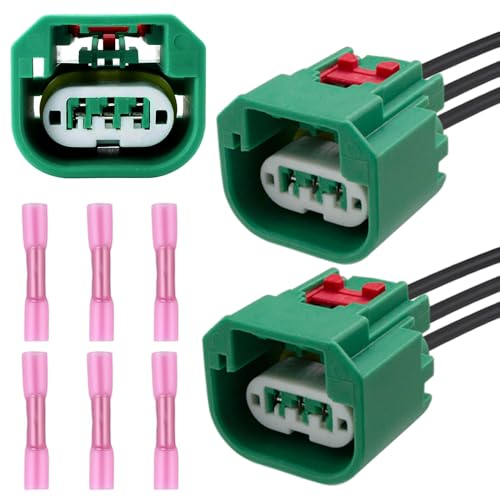
Precise Fitment: Engineered for a direct plug-and-play replacement of OEM part #68064997AA. Specifically compatible with Jeep Wrangler (2007-2022), Liberty (2008-2012), Patriot (2009-2017); Dodge Ram 1500/2500/3500 (2009-2010 Pickup), Caliber (2007-2012); Ram 1500/2500/3500 (2011-2014). Also replaces OE numbers: 68064997AA. Always double-check your vehicle model and OEM number before ordering.
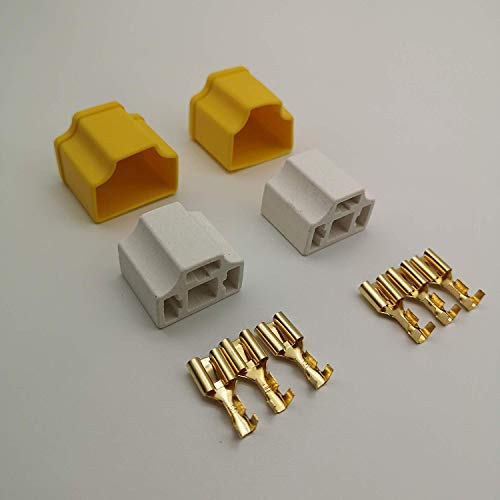
2 pcs premium high temperature ceramic H4 type headlight plug socket kit w/ terminals and a protective silicone rubber boot
Safety Preparation Steps
When replacing a headlight plug, disconnecting the battery’s negative terminal is your first critical safety step. This prevents electrical shock and short circuits during repair. Use insulated tools when handling terminals, and secure the disconnected cable away from the battery to avoid accidental reconnection.
Verify power-off status with a multimeter before touching any wiring. Work in a well-lit, moisture-free area with the vehicle on stable, flat ground and parking brake engaged. These safety precautions minimize electrical hazards and physical risks. Proper headlight alignment should be verified after completing your plug replacement to ensure optimal visibility and safe nighttime driving.
Wear protective gloves against sharp edges and safety glasses to shield your eyes from debris. Keep flammable materials away from your workspace, as sparks can occur during electrical repairs. Never work with the ignition on or engine running to prevent dangerous voltage surges. Prepare necessary tools including tape and socket wrench before beginning the replacement process. When selecting replacement bulbs, compare them carefully to your vehicle’s original specifications to ensure DOT compliance and proper fit.
Locating and Accessing the Headlight Connector
To locate the headlight connector, you’ll need to open the vehicle’s hood and direct your attention to the rear of the headlight assembly in the engine bay’s front corners. Remove any dust covers or rubber boots to expose the connector plug. Different connector types exist, including multi-pin plugs with locking tabs—some assemblies feature 16 or more pins. Use a flashlight or inspection mirror for visibility in tight spaces.
Access may require loosening the headlight assembly or surrounding components for clearance. Wiring colors vary by manufacturer; consult vehicle-specific wiring diagrams to identify positive, ground, and function-specific wires accurately. When selecting replacement connectors, ensure they meet DOT and ECE regulations to maintain proper lighting performance and safety compliance. Handle weather-tight seals carefully to maintain integrity. Use plastic pry tools to release locking mechanisms without damaging connectors during removal. Inspect the connector for charred or burned areas that indicate previous overheating or electrical failure.

High Quality: This female headlight socket/male headlight plug replacement is made of high-quality plastic head and tinned copper terminal combination, wear-resistant and high temperature-resistant, corrosion-resistant and oxidation-resistant, can withstand high temperatures, has good conductivity and long service life

【OE Part Number Reference】: A0275459826, A-027-545-98-26, A 027 545 98 26, 0275459826, 027-545-98-26, 027 545 98 26, A0555452928, A-055-545-29-28, A 055 545 29 28, 0555452928, 055-545-29-28, 055 545 29 28; All products have passed the manual quality test to ensure that they can work properly

High Quality: This female adapter wiring harness sockets is made of high-quality materials, the nylon shell has good insulation, heat-resistant and flame-retardant, has good toughness, is not easy to deform or crack, the internal copper wire can stably conduct electricity, has high working efficiency, and can be used for a long time
Removing the Old Connector
Once you’ve located and accessed the headlight connector, begin removal by identifying the locking mechanism that secures the plug to the assembly. Different connector types employ varying disconnection techniques—most feature a locking tab requiring precise manipulation with a thin tool like a small screwdriver or dental pick. Apply gentle pressure to lift or push the tab; some designs necessitate pushing the connector inward before releasing. Secondary colored locks may require lateral displacement before wire extraction. Disconnect the battery before proceeding to prevent electrical shorts. Cut wires close to the old connector, preserving maximum length for reconnection. Use wire strippers to remove insulation without damaging strands. For pin-style terminals, depress internal retention tabs to release individual wires from the housing. Avoid excessive force to prevent plastic component damage. Inspect the old connector for signs of yellow and brittle deterioration, which indicates the need for replacement. Once wires are exposed, they can be rejoined using methods like soldering with heat shrink tubing for a permanent and waterproof connection.
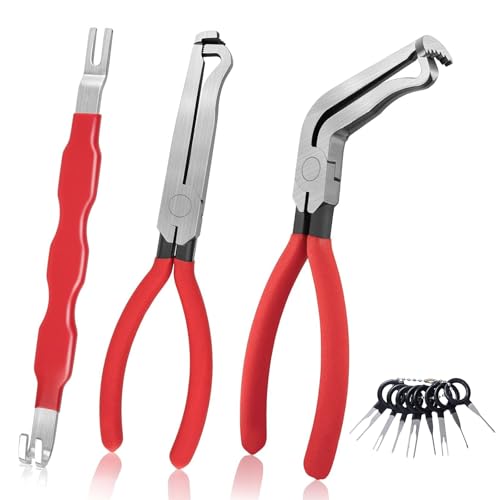
Designed for Automotive Electrical Connector Separation: This professional mechanic tools functions as an effective electrical disconnect tool for safely unlocking and separating snap-on connectors on sensors, headlights, and wiring harnesses without breaking clips or damaging terminals

【Dual-End Design for Easy Access】The dual-end design allows for easier disassembly work, making it both convenient to carry and use, With its dual-end design, this tool allows access from different angles, making it a valuable and portable repair tool for terminal connectors, standalone automotive electronics, and convenient disassembly.

For the removal for VAG / Porsche connectors
Installing the New Headlight Plug
Installing a replacement headlight plug requires three critical preparatory steps to guarantee a reliable electrical connection. First, verify the replacement plug’s compatibility by confirming wire color matching and pin layout alignment with your vehicle’s original harness. Second, pre-strip wire ends approximately 1/4 inch to expose clean copper strands, then twist them tightly for best conductivity. Third, slide heat shrink tubing onto wires before making connections.
For connection techniques, you’ll use either soldering or crimp connectors. When soldering, heat wires adequately and apply solder until it flows completely, then seal with heat shrink tubing. For crimp connections, insert wires into butt connectors and use a ratcheting crimp tool, verifying security with a gentle pull test. Complete insulation by shrinking tubing with a heat gun. After completing all electrical connections, use zip ties included with the harness to secure wiring away from moving parts and heat sources.

PROFESSIONAL CRIMPING TOOL: For 1.5mm series automotive waterproof connectors, crimping range 22-14 AWG. The crimping pliers can be used for AMP SUPERSEAL 1.5 SERIES. The crimping pliers have an efficient ratchet mechanism and adjustable crimping force and quick release function, ergonomic non-slip handle

Car halogen headlight plug connector is compatible with BMW E60 G30 E63 F20 F30 E87 E90 E92.

CRIMPING TOOL FOR SPARK PLUG IGNITION WIRE : This crimping tool works best with Spark Plug Terminals with a diameter of 8-8.5mm²; Plustool wire crimper has efficient ratcheting mechanism and professional grade crimping die for proper rock-solid crimps every time; Besides, crimping plier will not damage the conductors
Testing Your Repair
After completing the headlight plug installation, you’ll need to verify proper electrical function through systematic testing before reassembling components. Set your multimeter to DC voltage mode and connect the black lead to vehicle ground. Turn on the headlights and measure voltage at the low beam contact—expect approximately 12 volts. Switch to high beam and confirm 12 volts at the high beam contact with zero volts at low beam. If readings are absent or irregular, inspect upstream wiring and fuses. For final headlight troubleshooting verification, install a known good bulb and activate both beam settings. Proper illumination confirms successful socket replacement. Check all connections for secure fit and examine wiring for proper routing without excessive tension or pinch points. Ensure the replacement bulb matches your vehicle’s original bulb size specification to guarantee proper fit and electrical compatibility. If flickering occurs after installation, this may indicate voltage drops or other electrical system irregularities that require further diagnosis. Inspect the boot seals for corrosion, which can indicate problems with the new plug installation.

MULTIMETER TEST LEADS FOR ACCURATE TESTING: HANDSKIT multimeter test leads are designed for compatible digital multimeters with standard 4mm banana connections. The insulated test probes support voltage, current, continuity and diode testing when these functions are available on the connected meter. Rated CAT III 1000V / CAT IV 600V and 15A maximum, always follow the lowest rating of the connected meter, leads and accessories.
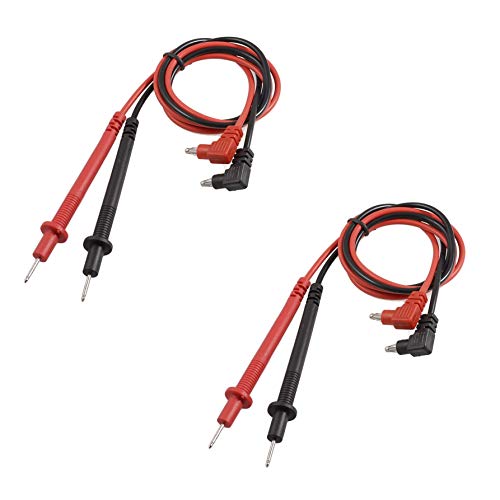
2mm/0.07" probe tip ,90cm / 35" total length, banana Connector.

Multimeter test leads are made of insulating silicone and pure copper material which are soft and flexible. Silicone helps prolong life and can be used in extreme environments. Strong conductivity, low resistance and no signal loss. Leads: CAT III 1000V,10A.
Maintenance and Best Practices
Proper headlight plug maintenance extends the lifespan of your repair and prevents recurring electrical failures. Perform wiring inspection every six months, especially after bulb replacements or vehicle washing, to detect corrosion or loose connections early. Examine the ground wire connection to verify it’s securely fastened to a rust-free metal surface, preventing voltage drop and dim headlights. Apply dielectric grease to connector terminals during routine inspections to enhance connector longevity and moisture resistance. Check harness insulation for wear or chafing that could expose wires to the elements. Replace damaged loom sections immediately to prevent short circuits. Consider adding silica gel packs inside headlight housings after drying to absorb residual moisture. When upgrading to LED bulbs, you may need to install LED resistors to prevent error codes and flickering caused by the reduced current draw of LED bulbs compared to halogen bulbs. Understanding color temperature and brightness levels can help you maintain optimal visibility during repairs. Before beginning any repair work, always disconnect the battery to ensure safe working conditions and prevent electrical shorts. Document inspection dates and findings to track degradation patterns and schedule preventive replacements before failures occur.


