

To replace your Kia Sorento headlight bulb, you’ll first disconnect the negative battery terminal and allow the engine to cool. Open the hood and locate the rear-mounted access behind the headlight assembly, then remove the quarter-turn dust cap. Detach the wiring connector and release the twist-lock base by rotating counterclockwise. Install the new H7 or H11 bulb—depending on your model year—using nitrile gloves to avoid oil contamination, then secure the retaining mechanism and test both beams. Proper alignment and troubleshooting techniques guarantee peak performance.
Understanding Kia Sorento Headlight Bulb Types by Model Year
Before you begin any headlight bulb replacement on your Kia Sorento, you’ll need to identify the correct bulb type for your specific model year and trim level. Sorento generations utilize distinctly different lamp configurations: first-generation models (2003–2009) mainly use H7 or H1 halogen capsules, while second-generation units (2011–2015) employ H11/H8/H9 family or D3S HID on xenon-equipped trims. Third-generation Sorentos (2016–2020) feature H7 halogen low-beams on base models and D3S xenon on higher trims, with 9005 high-beams standard across most configurations. The 2019–2021 refresh introduces factory LED modules on select packages, limiting bulb compatibility for conventional replacements. When selecting replacement bulbs, consider factors like brightness levels, energy efficiency, and lifespan to ensure optimal performance for your specific trim. Different manufacturers like Sylvania and Philips offer various halogen and LED options that can impact lumens output and color temperature for enhanced visibility. Always cross-reference your owner’s manual against trim-specific headlamp assemblies—SXL, SX, EX, and Limited variants often use incompatible bulb technologies within identical model years. Keep in mind that aftermarket parts may vary in bulb size specifications compared to original OEM assemblies.
Tools and Parts You’ll Need for the Job
Gathering the correct replacement bulb and basic safety equipment streamlines your Sorento headlight service. You’ll need H7 bulbs for 2011-2015 models’ low and high beams, while 2016-2024 variants require H11 bulb types. Purchase replacements in pairs to maintain equal brightness. For installation tools, most procedures require no specialized equipment—access occurs through the engine bay using your fingers or basic pliers to release retaining springs. Apply counterclockwise twisting motion to remove bulb covers. Wear eye protection and clean gloves throughout the process, as gas-filled bulbs operate under pressure and may shatter if scratched. Avoid touching bulb glass with bare fingers; oil deposits shorten bulb life. Ensuring your replacement bulbs meet DOT regulations will help you maintain legal compliance with safety standards. If retaining springs or sockets show damage, you’ll need new bulb assemblies. Consider LED or HID upgrade bulbs if compatible with your Sorento’s ballast system, as these options offer improved brightness levels measured in lumens compared to standard halogen replacements. For detailed step-by-step video guides specific to your model year, consult manufacturer repair manuals that cover over 200 maintenance jobs.

Lights Dim Over Time, Replace In Pairs: Your lights are a pair, one is never turned on without the other. If one bulb burns out, the other isn't far behind. Replace your H7 XtraVision Halogen bulbs in pairs for optimum performance.
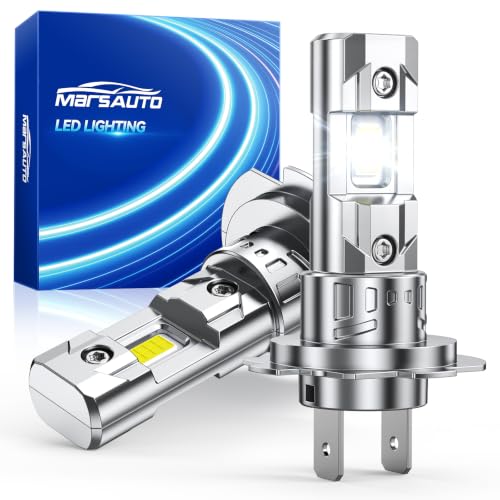
【30,000LM Ultra-Intensity & 6500K Daylight Clarity】Engineered to dominate the darkness, these H7 bulbs unleash a staggering 30,000LM of raw luminous power, offering a 600% brightness surge over stock lighting. The 6500K pure white output renders road signs and obstacles with surgical precision, piercing through heavy precipitation and midnight gloom. This extreme output expands your peripheral vision and increases reaction time, redefining the limits of nocturnal driving safety. For Top Clearance Marker Assemblies.

【Visual Enhancement】: The OKOENIEO H7 halogen bulbs are 200% brighter than other halogen bulbs, providing drivers with a wider and farther field of vision. Offering a greater visibility, they allow drivers to spot deer, wildlife, falling rocks, or obstacles ahead of time, ensuring safer nighttime driving.
Accessing the Headlight Bulb From the Engine Bay
Once you’ve assembled your replacement bulbs and safety equipment, locate the rear-mounted access point behind the headlight housing in your Sorento’s engine bay. You’ll find a quarter-turn dust cap or rubber cover that must be removed first. The engine bay layout typically provides adequate access to low-beam and high-beam bulbs on 2011–2018 models without bumper removal, though workspace varies by side—passenger-side bulbs are generally easier to reach. Bulb access techniques require maneuvering past coolant reservoirs, battery terminals, or intake components depending on your specific configuration. Verify the engine’s off and components have cooled before proceeding. Use a flashlight to identify the wiring connector’s release tab or squeeze clip at the bulb base. When selecting replacement bulbs, consider the brightness levels measured in lumens and color temperature to ensure optimal nighttime visibility. Depress the connector release mechanism and carefully extract the plug from the bulb assembly. To access the high beam bulb, you may need to remove the coolant tube from hooks for better clearance. Consider the bulb sizes needed for your Sorento to ensure you have the correct replacement ready before beginning the removal process.
Removing the Old Headlight Bulb
With the wiring connector detached, you’re ready to release the bulb from its socket. Locate the retaining mechanism—typically a twist-lock base or spring clip on the Sorento. For twist-lock designs, rotate the bulb counterclockwise approximately one-quarter turn until it loosens. If your model uses a spring clip, squeeze and unhook it carefully. Extract the bulb straight out, wiggling gently if resistance occurs.
When handling stuck bulbs, apply even pressure from both sides rather than yanking sharply. Use small left-right penetrating motions to free bulbs seized by heat or adhesive buildup. Never grasp the glass envelope with bare fingers; oils cause premature failure. The removal process may require both hands for better leverage and control. These bulb removal tips prevent socket damage and broken glass. Inspect the removed bulb’s orientation—note keyed tabs for correct replacement alignment. Common replacement options for your Sorento include H11 bulbs for low beams and 9005 bulbs for high beams, so identifying your bulb type during removal will help ensure proper reinstallation.

【Visual Enhancement】: The OKOENIEO H11 headlight bulb are 200% brighter than other halogen bulbs, providing drivers with a wider and farther field of vision. Offering a greater visibility, they allow drivers to spot deer, wildlife, falling rocks, or obstacles ahead of time, ensuring safer nighttime driving.

Compatible with 2011-2013 Kia Sorento Headlight Bulbs: VAMOTA halogen headlights are perfectly compatible with 2011 2012 2013 Kia Sorento.The halogen headlights combo includes H1 H11 high low beam Fog Light combo headlights,totaling 4 Halogen bulbs in the package
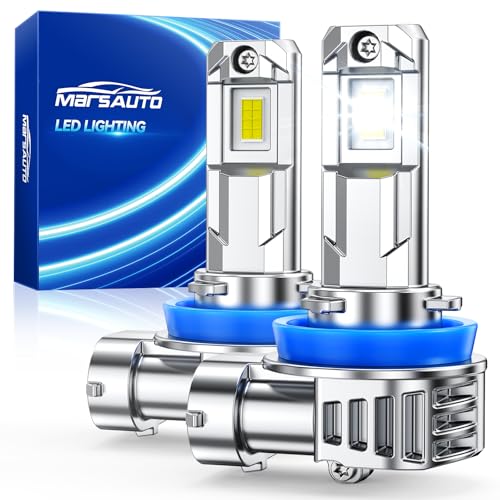
【Ultimate Night Vision】 Engineered with elite automotive-grade chips delivering an astounding 30,000LM per bulb, the M1L series casts a 6500K cool white beam that outperforms stock bulbs by 600%. Its precision-focused pattern ensures maximum road coverage without blinding oncoming traffic. For Top Clearance Marker Assemblies.
Installing the New Bulb Correctly
Select the correct replacement bulb by cross-referencing your Sorento’s model year and headlamp function against OEM specifications. Handle the new bulb with nitrile gloves to prevent skin oil contamination on halogen glass envelopes, which causes premature failure. Align the bulb base tabs with housing slots, ensuring proper bulb orientation by matching keying features—forcing incorrect alignment damages components and compromises beam pattern. Engage the retaining clip or twist-lock mechanism fully until you hear or feel the lock engage. These installation tips prevent vibration-induced loosening. Apply dielectric grease sparingly to electrical connectors, avoiding bulb contact surfaces. Connect the socket firmly, verifying pin alignment. For improved nighttime visibility, consider upgrading to premium LED options that offer enhanced brightness compared to standard halogen bulbs. Test low and high beams immediately before reinstalling dust covers. Seat rubber boots without pinching wires to maintain housing seal integrity. Double-check the installation for stability before closing the headlight assembly.

[Fit For] - 2011-2013 KIA Sorento

【Ultra High Brightness】Deliver up to 90000LM total luminous flux with 1500% higher brightness than stock halogen bulbs; 6500K pure white light reproduces daylight vision, expanding road visibility at night without dark spots. Headlight Assemblies, Parts & Accessories›Headlight Assemblies

【500% Brighter – 30000LM 6000K Cool White】Upgrade your H11/H8/H9/H16 LED bulbs. 30,000LM per pair, 500% brighter than halogen. Fanless passive cooling (Copper Base + Aluminum Housing) delivers 0 dB quiet operation and no moving parts to break.
Testing and Adjusting Headlight Beam Alignment
After replacing your Sorento’s headlight bulb, verify proper beam alignment to prevent glare that blinds oncoming drivers and guarantee adequate road illumination. Park on flat ground facing a wall, inflate tires to specified pressure, and mark vertical lines through headlamp centers with a horizontal line connecting them. You’ll need a Phillips screwdriver and 13mm ratcheting wrench for adjustment access. Turn the horizontal adjuster (1) clockwise or counterclockwise first, then adjust vertical alignment using screw (2)—clockwise lowers the beam, counterclockwise raises it. In 2018+ Sorentos, both high and low beams adjust simultaneously. Project the cut-off line to match beam specification guidelines, ensuring the brightest portion falls on your marked lines. Compare both sides for evenness using proper adjustment techniques. Proper beam pattern quality directly impacts nighttime visibility and safety for you and oncoming traffic. For optimal safety and visibility, consider using quality parts during any connector or bulb replacement to ensure long-lasting performance. Check the alignment after each adjustment to confirm that the beam height achieves the desired positioning.
Troubleshooting Common Bulb Replacement Issues
Even after selecting the correct replacement bulb, you may encounter fitment or performance issues that prevent successful installation or proper headlight operation. Start with thorough bulb compatibility checks: verify OEM part numbers, socket connector style (push-fit, clip, or gasketed cap), and housing modifications that require adapters. If the new bulb fails immediately, investigate wiring issues—inspect the harness and connector for corrosion, bent pins, or melted insulation. Use a multimeter to test voltage and ground at the socket, distinguishing bulb failure from supply problems. Check in-line fuses and headlight relays before replacing bulbs repeatedly. Address alternator or battery faults producing voltage fluctuations that accelerate degradation. For HID systems, suspect ballast faults or ignition failures rather than simple filament burnout. Understanding color temperature differences between bulb types can also help diagnose performance issues related to improper upgrades. When handling the replacement bulb, avoid touching the glass with your bare hands, as skin oils can cause premature wear and reduce bulb lifespan. Proper maintenance of your lighting system is essential for safety and legal compliance on the road.

✅ PRECISE FIT FOR 2014-2019 KIA SORENTO (4-BULB SYSTEM) – Specifically designed for models equipped with 4 individual bulbs . This complete kit provides 2 H7 bulbs for high beams and 2 H11 bulbs for low beams – the exact factory-specified replacement set for your vehicle.

【Compatible with Kia Sorento 2014-2018】-Package Include Pair H7 High/Low Beam Headlight Bulbs ,fit for Kia Sorento 2014-2018. Note:When used for low beams, not applicable to Kia Sorento models equipped with H11 low-beam bulbs. Please check the correct vehicle age when place order

【Note Before Purchase 】Package Include Pair 9005 High Beam and Pair H7 Low Beam ,Fit for kia sorento 2019 2020, Please check the correct vehicle age when place order
LED and HID Retrofit Considerations
Beyond addressing factory halogen failures, you can upgrade your Kia Sorento’s lighting system with LED or HID retrofit kits that deliver superior illumination and energy efficiency. LED advantages include plug-and-play installation on 2021-2023 EX, LX, S, and SX submodels, requiring zero modifications to your headlight housings. Full LED kits using 9005 bulbs for high beams enhance nighttime visibility while maintaining OEM standards. HID drawbacks involve higher cost—$149.99 USD for complete high beam setups—and potentially less straightforward compatibility compared to LED conversions. Both technologies fit 2019-2025 Sorento models directly, though reflector-style housings demand precise LED bulb types for ideal beam patterns. LED technology provides longer lifespan compared to traditional halogen bulbs, reducing the frequency of replacements over your vehicle’s lifetime. CAPA-certified assemblies (Partslink KI2502251, OEM 92101R5200/92102R5200) guarantee compliance. When upgrading to LED or HID systems, ensure your retrofit kit produces white or amber illumination to comply with Virginia regulations and federal standards. Replacement headlight sets include both left and right units for comprehensive lighting restoration. Note California Prop65 warnings for chemical exposure during handling.

Premium Ceramic Construction: These wiring adapters utilize high-grade ceramic material that provides exceptional heat resistance and electrical insulation. The ceramic housing incorporates advanced waterproof and dustproof technology for reliable performance in all conditions. Inside, high-efficiency copper wiring ensures optimal conductivity and power transmission.

【OEM-Exact Fit for 14-15 Kia Sorento Models】 Fit for 2014 2015 Kia Sorento SX/EX LED DRL Projector. Matches OE Number: 921011U600,921021U600.Replace Part Number; KI2503165, KI2502165. Crafted via in-house full process (molding, die-casting, polishing, encapsulation, aging testing) with no middlemen. Seamlessly aligns with vehicle’s electrical system/mounts—no mods/adapters. Meets DOT/SAE/EMC standards, avoids ECU damage, exceeds OEM specs.

【For 2011-2013 Kia Sorento】AOXTOZH H1 H11 high low beam halogen headlight bulbs 881 fog lights license plate lights combo fit for Kia Sorento 2011 2012 2013 light bulbs replacement.Real 1:1 halogen size,without error or flickering issue.
Safety and Maintenance Best Practices
Before touching any component in your Kia Sorento’s headlight assembly, shut off the engine and allow bulbs to cool for 10-15 minutes—halogen bulbs reach 450°F during operation and cause severe burns upon contact. Essential safety precautions include wearing eye protection and nitrile gloves throughout the replacement process. Never contact bulb glass with bare fingers; skin oils create hot spots that shorten bulb lifespan and risk premature failure. Engage the parking brake and verify the ignition remains off to prevent electrical hazards. Disconnect the negative battery terminal before beginning the bulb replacement to ensure complete electrical safety. Key maintenance tips involve testing headlight operation after installation and inspecting retaining clips for proper engagement. Dispose of cracked bulbs immediately in puncture-resistant containers. For non-halogen or integrated LED assemblies, seek professional service to avoid damaging sealed units or complex wiring harnesses.


