You’ll spend anywhere from $10 for a DIY halogen swap to over $2,500 for a luxury vehicle’s sealed LED module. Basic halogen bulbs cost $15–$40, while HID xenon runs $50–$150 and LED retrofits range from $60–$200. Shop labor adds $20–$400+ depending on accessibility—simple plug-and-play jobs take 0.08 hours, but sealed assemblies requiring calibration can hit 3.0 hours at $110–$175/hour. Your vehicle’s make, trim level, and lighting package drive the final bill, and understanding these variables guarantees you’re not paying for unnecessary parts or markup.
Types of Headlight Bulbs and Their Price Ranges
Your vehicle’s headlight system relies on one of four primary bulb technologies, each with distinct electrical characteristics and price implications. Standard halogen units (H1, H4, H7, H11, HB3, HB4) run $15-$40 per bulb, delivering 55-75W with 450-1,700 hour lifespans. HID xenon assemblies (D2S, D4S, D5S) range $50-$150, requiring ballasts and offering 3,200 lumens over 3,500 hours. LED retrofits cost $60-$200, providing instant illumination with minimal heat generation. A bulb performance comparison shows halogen vs LED differs notably—LEDs eliminate warm-up cycles and draw less amperage. Specialty variants like PS24W fog lamps ($25-$50) and dual-filament configurations (H4, HB2, HB5) affect total replacement costs. Non-interchangeable socket designs prevent cross-application despite similar wattage ratings. While halogen bulbs require more frequent replacement due to their shorter lifespan, LED bulbs can last significantly longer, reducing the frequency of replacement cycles over a vehicle’s lifetime. UN Regulation 37 categorizes motor vehicle filament lamps into three groups based on their approved applications and compatibility standards.

【900% Brighter - S1 Pro Bulbs】The SEALIGHT 9005 H11 bulbs combo feature 16pcs high-performance chips, delivering up to 8 times the brightness than stock bulbs. Upgrade your nighttime driving experience by replacing dim, narrow stock bulbs with SEALIGHT 9005/HB3 H11/H9/H8/H16 LED Bulbs Combo. Enjoy crystal-clear 6500K cool white light that cuts through the dark, giving you way better visibility for safer night drives

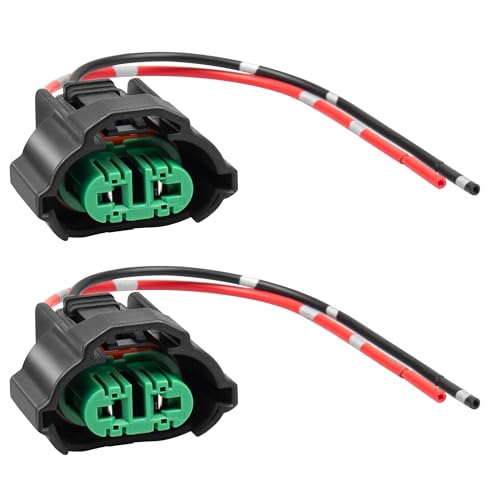
Compatibility: 2 Pin female pigtail adapter fit for H8 H9 H11 880 881, 886, 889, 892, 893, PG13, PGJ13, 880, 890, 862, 881, 884, 885, 894, 898, 899 etc
Labor Costs: Shop vs. DIY Installation
While replacing a headlight bulb might seem straightforward, labor costs swing dramatically based on vehicle architecture and whether you’re paying shop rates or handling the swap yourself. Labor variability spans 0.08–3.0 hours depending on access—simple halogen swaps take minutes, while sealed LED assemblies demand bumper removal. Shop rates of $110–$175/hour translate to $20–$400+ in labor charges. DIY challenges include improper aiming, connector damage, and coding infeasibility for adaptive systems. Shop advantages deliver correct fitment, warranty coverage, electronic calibration, and compliant headlight alignment. Cost tradeoffs are clear: DIY runs parts-only ($10–$40), while professional installation adds diagnostic steps, recalibration labor, and flat-fee minimums. For factory LED/Xenon modules requiring software intervention, dealer or specialist shop labor becomes mandatory. Budget retailers like Walmart offer headlight replacement at $10 per headlight plus the cost of parts, providing an affordable middle ground between full DIY and premium shop services.
Vehicle-Specific Factors That Impact Replacement Cost
Vehicle make and model define the baseline architecture of your headlight system—and with it, the lion’s share of replacement cost. Luxury vehicles often mandate sealed modules or OEM assemblies running hundreds to thousands per side, while economy models accept standard halogen bulbs at $10–$50 or aftermarket assemblies near $30. Factory LED/laser systems rarely permit bulb-level service; you’ll replace the entire module. Trim level matters: adaptive, matrix, or auto-levelling headlights incorporate sensors and control units that escalate both parts and diagnostic fees. Optional lighting packages may require post-install calibration, adding scanner time. Xenon/HID systems need ballasts ($50–$300+ per side), and proprietary connectors limit aftermarket options. Before ordering replacement parts, it’s essential to identify your vehicle’s lighting package to ensure compatibility with your specific model year and trim configuration. Low-volume or redesigned models carry OEM premiums when aftermarket alternatives remain scarce. For vehicles like the Dodge Charger, many model years from 2015 onward still support standard bulb replacement without requiring full module swaps, though this varies significantly by trim and year. Professional installation typically requires 5 minutes to 1 hour of labor time, with simpler halogen swaps at the low end and complex adaptive systems demanding the full window.
Lifespan and Long-Term Value of Different Bulb Technologies
Beyond the upfront sticker price, bulb technology determines how often you’ll repeat the purchase cycle—and whether you’re budgeting for replacement every year or every decade. Halogen units deliver 500–2,000 hours before filament failure, forcing replacement every 14–30 months under typical use. HID systems run 2,000–5,000 hours (aftermarket) or 20,000 hours (OEM), averaging three-to-seven-year intervals. Premium LEDs push 25,000–50,000 hours, potentially outlasting your vehicle’s service life. Bulb longevity hinges on cooling—poor heat dissipation kills LEDs prematurely, while vibration shatters halogen filaments. Cost analysis reveals halogens’ low entry price becomes expensive through frequent cycling, whereas LEDs’ higher upfront investment amortizes across decades. Environmental conditions and manufacturing quality significantly impact whether bulbs reach their rated lifespan or fail prematurely. Upgrading to modern light distribution patterns found in Euro-style housings can improve overall lighting performance and reduce premature bulb failure from improper beam focus. Factor in electrical-system health and installation quality; both dictate whether you’re replacing bulbs annually or forgetting the task entirely. Electrical system issues such as aging alternators sending incorrect voltage or corroded ground wires creating resistance can halve bulb life regardless of technology chosen.
[Easy Installation]: No wiring or modifications needed! The exact 9006/HB4 halogen size slots directly into your vehicle’s housing. Install in under 10 minutes—even beginners can do it with basic tools.
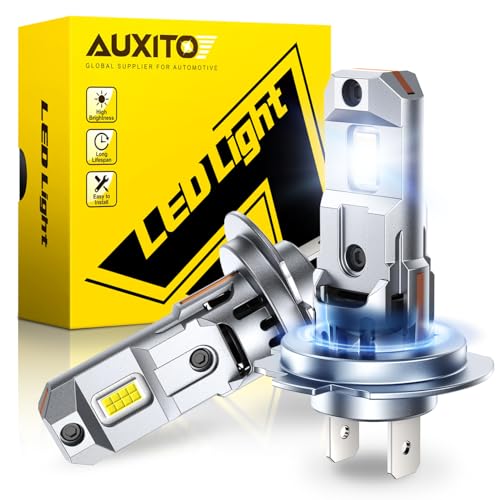
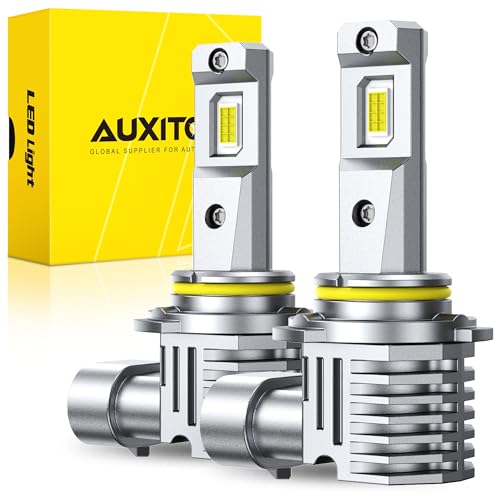
【Newly Upgraded Brightness】 AUXITO H7 LED bulbs have advanced chips that are 900% brighter than halogen. The 6500K beam offer the best light pattern and clarity for optimal visibility—no dark spots, shadow areas, blinding, or glare for oncoming drivers. With 50,000 lumens, they ensure a clear view in adverse weather

See Wider and Further: Providing further and wider visibility for night driving to ensure the front is well lit. Thus you can see deer, critters and falling rocks from miles away and act sooner
Should You Replace One Bulb or Both at Once?
When one headlight dims, replacement strategy—single versus pair—becomes a cost-versus-risk calculation built on labor economics and failure probability. Matching bulbs deliver critical safety benefits: symmetrical beam intensity, consistent color temperature, and balanced road illumination that reduces visual fatigue during night operations. If shop labor dominates your invoice—particularly when access requires bumper or assembly removal—dual replacement amortizes fixed costs across both units. Bulb lifespan statistics show paired failures: thermal cycling and filament wear create correlated risk windows, so replacing both now avoids a second service call weeks later. For halogen systems with simple access, single-bulb DIY makes sense; complex HID or LED assemblies justify dual replacement to preserve driving visibility, beam pattern compliance, and minimize repeat diagnostic fees. Most headlight replacements can be completed in under 10 minutes using simple hand tools when access is straightforward. Professional installation at dealerships versus local shops presents a price differential, though certified technicians ensure proper alignment and electrical compatibility that protects warranty coverage. Beyond standard replacements, considering legal requirements for DRL colors in your region can inform whether you want to upgrade your lighting system for both functionality and compliance.

【Package Include】This item include pair H4/9003 high low dual beam LED headlight bulbs and pair 7 inch H6024 Glass Round Headlight Housing.Please confirm your original housing model before purchasing.

【Package Include】This item include pair 7x6 inch H6054 Glass Square Headlight Housing(with 2 wire harnesses) and pair inside H4/9003 led bulbs. Please confirm your original housing model before purchasing.

【Superior Beam Technology with Anti-Glare Design】Precisely engineered to replicate the exact focal point of standard halogen bulbs, delivering a razor-sharp cutoff line. AUXITO H1 LED chips produce a broad, homogeneous beam that eliminates blinding hotspots and dark voids. Drive with confidence knowing your road illumination complies with safety regulations while protecting oncoming drivers from harmful glare
OEM vs. Aftermarket: Quality and Warranty Considerations
Aftermarket risks center on fitment issues requiring modifications, variable quality control across brands, and potential beam pattern degradation—especially when installing LED retrofits in halogen housings without proper kits. Budget aftermarket suffers from poor sealing and premature failure, though premium brands like Sylvania approach OEM reliability at lower cost. Warranty coverage varies greatly, complicating dealership service claims. OEM headlights typically include a manufacturer warranty, providing assurance against defects and failures. Premium aftermarket options like Morimoto HID kits offer superior brightness and color accuracy compared to standard halogen bulbs, bridging the gap between budget and OEM solutions. For those considering DIY connector repairs, parts typically cost under $50, making budget-conscious replacements more accessible than professional service options.
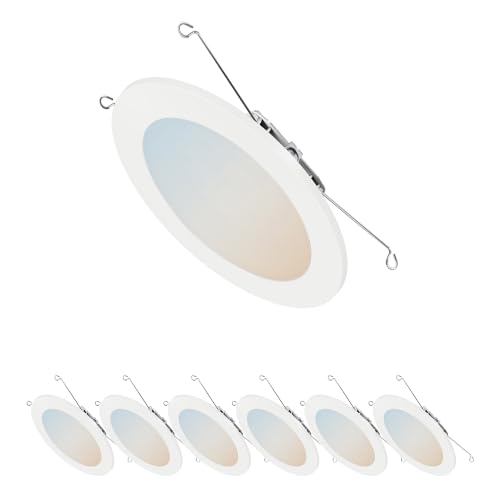
INSTALLATION: Easy retrofit led recessed lighting design fits most existing 6 inch recessed lights housings. matches HALO's most popular canless fixtures, making it perfect for remodel projects or new construction without requiring additional housing modifications for seamless integration.

SIMPLE, HIGH-IMPACT UPGRADE: 6 inch recessed light trim designed to fit most existing recessed housings for easy retrofit installation, replacing outdated can light trim without rewiring or complex electrical work needed for quick upgrade

INSTALLATION: Easy retrofit design fits standard 6 inch recessed light housings with included E26 socket adapter. Pre-installed torsion springs allow for secure mounting in existing or new construction applications without requiring additional hardware.
Total Cost Scenarios From Budget to Premium Replacements
Replacing a single headlight bulb can cost you anywhere from $10 for a DIY halogen swap to over $2,500 per side when you’re dealing with factory adaptive LED modules on luxury vehicles. Budget halogen replacements run $30–$140 installed at a shop, with bulbs lasting 500–1,000 hours. Mid-range LED conversion kits cost $80–$350 per side with professional installation, offering improved headlight brightness but requiring careful bulb compatibility verification to avoid beam-pattern issues. To ensure you’re selecting the right replacement, always verify the bulb size specification from your vehicle’s owner’s manual or using a manufacturer-supported lookup tool. Premium OEM HID bulbs range $50–$300 each, while sealed LED assemblies hit $200–$1,500-plus per side. Full assembly replacements span $30 for basic aftermarket housings to $4,000-plus for high-tech OEM units, with labor adding $100–$400. When replacing bulbs, it’s important to replace bulbs in pairs to maintain consistent lighting performance across both sides of your vehicle. The national average for standard headlight bulb replacement falls between $176 and $206, with labor accounting for $62–$91 of that total. Factor in potential wiring repairs, module programming, and headlight alignment work, which can add another $50–$600 to your final invoice.

H4 HB2 9003 Vehicle Headlight Socket: Provide great solution to replace old and broken vehicle headlights or fog lights in vehicles without standard pins for 4" × 6", 7" × 6" and 5" × 7" work; Make car headlight/fog light wire replacement easier a lot
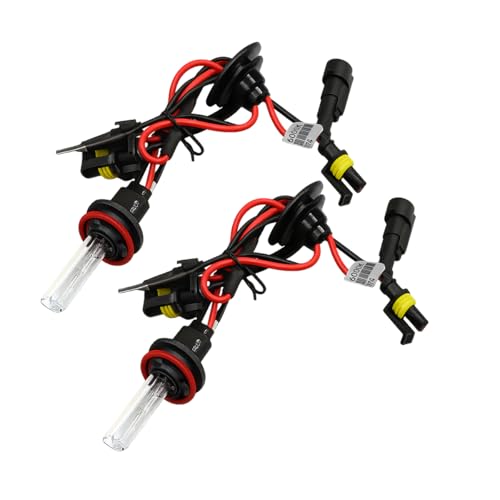
High Quality Material: This automobile bulb is made of high-quality quartz tube material, which has excellent high-temperature resistance and can maintain a stable structure during long periods of illumination. At the same time, the quartz tube has strong impact resistance and can withstand minor vibrations, providing reliable protection for the long-term use of the lamp bulb.

Each bulb is 20W, providing bright illumination both day and night
How to Minimize Your Headlight Replacement Expenses
Since headlight bulb replacement can strain your wallet, understanding cost-cutting strategies becomes essential for budget-conscious vehicle owners. You’ll save 50–70% through DIY installation, eliminating $100–$200 in shop labor fees. Verify your vehicle’s make, model, and year before purchasing—aftermarket halogen bulbs cost $10–$40 versus premium OEM pricing. Compare retailers carefully; SEALIGHT LED pairs range $39.99–$99.99 online versus higher in-store markups. Replace both bulbs simultaneously to maintain consistent bulb brightness and prevent diagnostic headaches from mismatched output. Restore clouded lenses with $25 kits rather than replacing entire assemblies. Consider replacement timing strategically—upgrade to LEDs delivering 25,000–50,000 hours instead of short-lived halogens. Consult your owner’s manual for bulb specifications and housing access points. Independent mechanics charge considerably less than dealerships for complex installations. Monitor your headlights for early warning signs like dimming or flickering to address issues before complete failure occurs.