HID (High-Intensity Discharge) headlights generate light through an electric arc between tungsten electrodes, ionizing xenon gas and metal salts to create plasma at 4,000-6,000K. You’ll get 8,000 lumens—2.5 times brighter than halogen—while consuming 25-30% less power and lasting up to 5,000 hours. The system requires a ballast to convert 9-16V DC to 20,000-26,000V for ignition. Factory configurations include D1S, D2S, and D4R standards, though aftermarket installations must comply with FMVSS 108 regulations to avoid fines. Understanding proper installation, beam alignment, and legal requirements guarantees you maximize performance and safety.
Understanding HID Technology and How It Produces Light
Unlike conventional halogen headlights that rely on heated filaments, HID (High-Intensity Discharge) bulbs generate light through an electric arc struck between two tungsten electrodes housed within a quartz capsule. This arc discharge ionizes xenon gas and metal salt additives, creating plasma generation at temperatures exceeding several thousand degrees Kelvin. When electrons within the plasma return to lower energy states, they emit photons as intense visible light.
You’ll find the xenon gas enables rapid ignition while lowering startup voltage requirements. The metal salts vaporize under extreme heat, producing color temperature between 4,000-6,000 K—closely mimicking natural daylight. This plasma-based mechanism achieves superior luminous efficacy, delivering approximately three times the brightness of halogen bulbs while consuming just 35 watts versus halogen’s typical 55-watt draw. The system requires a ballast to regulate the electrical current and maintain stable operation throughout the lamp’s lifespan. OEM replacement options and performance-oriented aftermarket alternatives are available to suit different vehicle requirements and budget considerations.

【NEED ATTENTION】If your xenon HID headlight bulb is buzzing, dimming/losing brightness, flickering, randomly going out, changing colors, or not lighting at all, it could be that your ballast is bad.A failed ballast kit will cause your bulb to burn.If you notice any of the above symptoms, PLEASE NOTE that order ballast from the KERBIY to avoid further loss.

HID HEADLIGHT BALLAST REPLACEMENT - Also known as headlight control unit, a crucial part of hid lighting system, provides the voltage needed to start the lamp and regulates the electrical current of the light once it is lit. A failed ballast will cause your bulb to burn. When the voltage is input, the output power of the ballast can be kept constant at about 35W or 50W to protect the HID bulb from damage. The ballast fits either the left or right hid headlights.
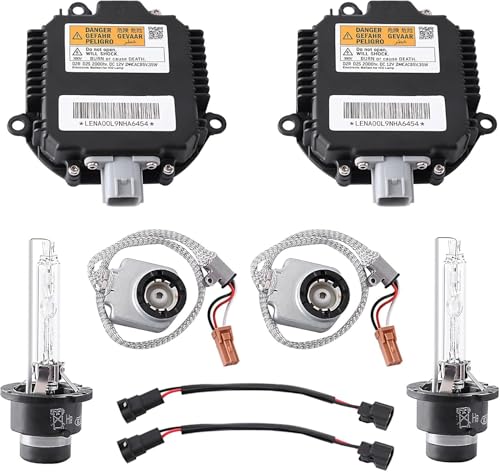
【REPLACE PART NUMBER】28474-89904 2847489904 28474-8991A 284748991A 28474-8991B 284748991B 28474-89907 2847489907,NZMNS111LANA NZMNS111LBNA NZMNS111LANH NZMNS111LANG.Come with D2S Bulbs and Igniter.
The Electrical and Mechanical Operation of HID Systems
While the plasma-based light generation mechanism explains why HID bulbs produce superior illumination, the system’s electrical architecture and control electronics determine whether that light reaches the road reliably. Your HID system’s electrical components include the ballast, which converts 9–16V DC to 20,000–26,000V for arc ignition, then regulates steady-state current to maintain plasma discharge. The mechanical design positions tungsten electrodes within a sealed quartz tube filled with xenon gas and metal halide salts, precisely aligned inside the headlight reflector. As operation progresses, the ballast continuously adjusts power delivery—compensating for decreasing electrical resistance as metal salts vaporize and internal gas pressure rises. Modern ballasts incorporate fail-safe sensors that detect abnormal voltage conditions, open circuits, or lamp cycling, automatically shutting down to prevent component damage and excessive wear. The reflector component directs and amplifies the generated light to maximize roadway effectiveness while reducing glare for oncoming drivers.
Key Benefits of HID Headlights Over Traditional Lighting
Beyond the technical sophistication of their plasma-based arc discharge system, HID headlights deliver quantifiable performance advantages that directly impact driver safety and vehicle operation costs. HID advantages include 8000-lumen output—2.5 times brighter than halogen—extending beam distance twofold with 50% greater peripheral reach. This illumination enhancement improves reaction time by up to 2 seconds, providing critical safety improvements for hazard detection. Energy efficiency represents another measurable benefit: HID systems consume 25-30% less power than halogens, which waste 85% of energy as heat. This reduced electrical load enhances battery longevity and contributes marginally to fuel economy. Operational lifespan extends three times beyond halogen bulbs, decreasing replacement frequency and maintenance costs. The daylight-mimicking color temperature (4000-6000K) reduces eye strain while improving obstacle visibility, particularly benefiting nighttime driving conditions. HID bulbs achieve approximately 5000 hours of operation, vastly outperforming halogen alternatives that typically last only 1000 hours.

【IMPORTANT】Replacement for factory D2S HID bulb only, NOT fit if your car stock Halogen headlight bulb even system say "fits".
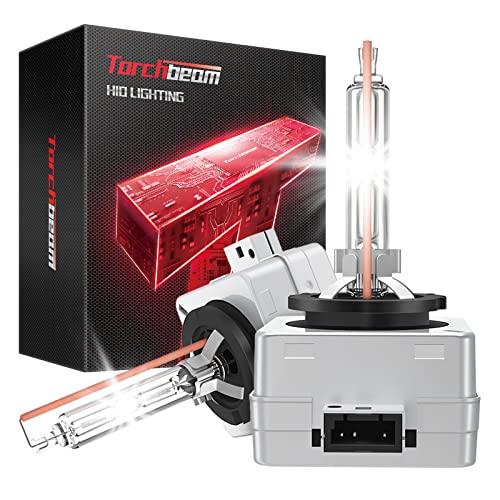
Safer Night Driving: Torchbeam d3s bulbs made with German xenon gas. Replacement OEM Part Number: 42302C1, 42302(WX/XV), 42403(C1), 66340, 66340CBH, 66340CBI, ect.
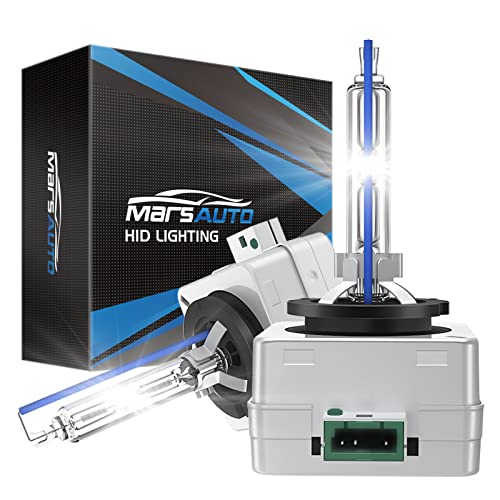
Replace Only HID Bulbs: Fit for stock D3S HID Xenon bulbs only, NOT ADAPT if your auto has stock Halogen/LED lights
HID vs. Halogen vs. LED: Performance and Efficiency Compared
When selecting automotive lighting technology, understanding the measurable differences between HID, halogen, and LED systems enables informed decisions based on performance metrics rather than marketing claims. HID brightness comparison reveals outputs exceeding 1,200 lux versus halogen’s 400-500 lux at standard testing distances, while LEDs typically measure above 800 lux. HID color temperature ranges from 6,000-8,700 Kelvin, producing whiter light than halogen’s 3,000K yellow output and comparable to LED’s 7,700K range.
Energy efficiency ranks LEDs highest, followed by HIDs, then halogens. Lifespan data shows LEDs lasting tens of thousands of hours, HIDs achieving 8,000-15,000 hours, and halogens requiring replacement after 500-1,000 hours. While halogen bulbs cost $10-$25, HID and LED systems demand higher initial investment but deliver superior long-term value through reduced maintenance cycles. HID systems utilize ionized gas for illumination, with Xenon bulbs representing the most common automotive application. HID headlights produce a focused beam pattern that requires precise aiming to minimize glare for oncoming drivers. Legal considerations regarding aftermarket bulbs should guide your selection to ensure compliance with local regulations and maintain safe beam patterns for oncoming traffic.

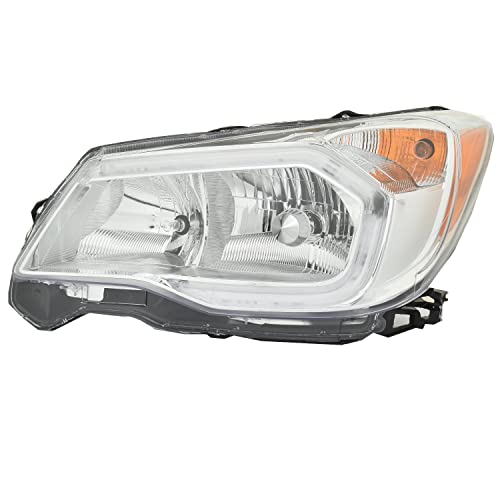
Garage-Pro Headlight Compatible with 2009-2014 Nissan Maxima

Each bundle contain 2 bulbs, 2 ballast, and installation accessories
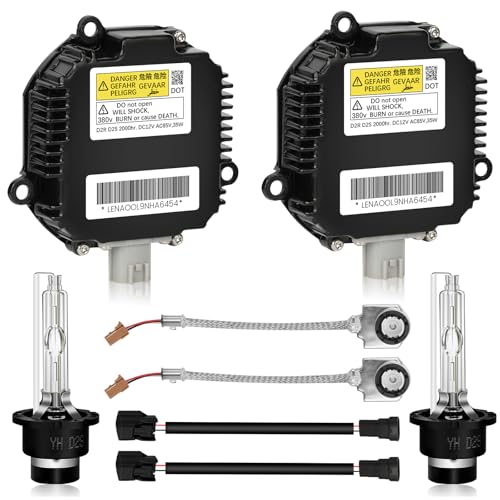
【NEED ATTENTION】If your xenon HID headlight bulb is buzzing, dimming/losing brightness, flickering, randomly going out, changing colors, or not lighting at all, it could be that your ballast is bad.A failed ballast kit will cause your bulb to burn.If you notice any of the above symptoms, PLEASE NOTE that order ballast from the KERBIY to avoid further loss.
Different Types of HID Configurations and Bulb Standards
Understanding performance differences between lighting technologies matters only when you can match the correct HID configuration to your vehicle’s specific requirements. Factory HID systems utilize D1S technology, D2S compatibility standards, and D4R specifications, with “S” bulbs designed for projector assemblies and “R” variants featuring light-blocking coatings for reflector housings. D1S and D3S incorporate integrated ballasts at 85V and 45V respectively, while D2S and D4S use removable igniters. H11 applications dominate aftermarket projector headlights and fog lights. Bi Xenon features remain less common due to LED advantages in dual-beam configurations. Standard bulb wattage operates at 35W, producing approximately 5,500 lumens, though 55W ballasts increase output by 20%. When replacing a faulty ballast, proper ballast replacement procedures ensure the HID headlight system functions correctly after reinstallation. Quality D1S bulbs that meet DOT and ECE regulations provide superior visibility and road safety performance. Ideal color temperature ranges from 4300K to 6000K, balancing brightness with visibility. Selecting bulbs at 8000K and above prioritizes aesthetics over practical light output and performs poorly in adverse weather conditions. Most aftermarket bulbs feature universal 5-tab designs for cross-compatibility.
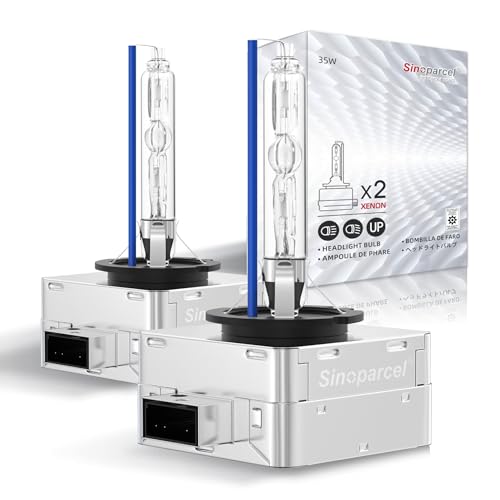
Life time support,2pcs packaged; Replacement part number: 66144 66140 85140 85415 (If there is any problem in the product, please contact us via Account Center,we will reply you within 24 hours)

2pcs packaged; Replacement part number: 66144 66140 85140 85415 (If there is any problem in the product,please feel free to contact us)

[Vehicle Fitment]: Compatible with 2007-2014 Escalade / 2006-2009 BMW 5-series (E60 E61) / 2006-2009 BMW 7-series (E65 E66 E67) / 2007-2008 BMW ALPINA B7 / 2006-2010 BMW M5 / 2010 BMW X5 / 2008-2010 BMW X6 / 2007-2009 Mercedes CLK350 CLK55 CLK500 CLK63 / 2008-2014 Mercedes Benz G-Class / 2010-2012 Mercedes Benz Sprinter 2500/3500 / 2007-2012 Freightliner Sprinter 2500/3500 / 2007-2009 Dodge Sprinter 2500/3500 / 2006-2009 Lincoln MKZ/Zephyr / 2010-2011 Volkswagen Jetta / 2010-2013 Volkswagen Golf / 2009-2011 Volkswagen Tiguan / 2007-2010 Volkswagen Touareg / 2008-2014 Ch ry sler Town & Country / 2007-2009 Jaguar XK / XKR.
Installation Requirements and Aftermarket Conversion Options
Successful HID installation demands systematic preparation beginning with battery disconnection and engine cooling to eliminate electrical shock risks and thermal burns. You’ll need gloves to prevent skin oil contamination of bulb glass surfaces, which accelerates premature failure. The installation process requires accessing headlight assemblies through dust covers, verifying HID kit compatibility with existing housings—preferably projector-type for proper beam pattern control.
Mount ballasts on heat-resistant surfaces near headlight assemblies using mechanical fasteners or adhesive tape, ensuring clearance from moving components. Route wiring through grommeted openings to maintain weather sealing. Connect relay harnesses directly to battery terminals with inline fusing for stable voltage delivery. Secure ground wires to bare metal chassis points. Ballasts convert the vehicle’s DC power supply into AC power required for HID bulbs to operate efficiently. HID technology offers improved visibility compared to traditional halogen bulbs, making it an important upgrade consideration for drivers prioritizing nighttime safety. After installation, test functionality to verify proper operation before finalizing all connections and reassembling components. Safety tips include selecting DOT-certified conversion kits and CAN-bus-compatible ballasts for modern vehicles to prevent electrical interference and flickering.
Regulatory Compliance and Proper Alignment for Safe Use
Proper installation of HID headlights means nothing without regulatory compliance and precise beam alignment. You must verify your headlights meet Federal Motor Vehicle Safety Standard No. 108 (FMVSS 108), which establishes photometry, color intensity, and beam pattern requirements. Factory HID systems self-certify compliance at production, but aftermarket conversions typically fail these standards when installed in halogen housings.
Regulatory implications extend beyond federal law—most states incorporate FMVSS 108 into vehicle codes, making non-compliant installations illegal. Your HID system must maintain color temperatures between 4300K-5000K and meet specific photometric test point values. Violations can result in fix-it tickets with fines ranging from $50 to several hundred dollars, and repeat offenses may add points to your driving record. Consider replacing both headlights simultaneously to ensure consistent brightness and appearance across your vehicle.
Alignment techniques are critical for safety. FMVSS 108 mandates aimability requirements, though automatic leveling isn’t federally required. Regular calibration prevents excessive glare to oncoming traffic while maintaining proper road illumination through correct beam pattern positioning.