

Professional headlight restoration lasts 1-3 years with proper UV sealant application, while DIY kits typically deteriorate within 3-12 months. You’ll achieve 80-90% light transmission with professional-grade ceramic coatings versus 40-60% with standard DIY products. Your restoration’s longevity depends on UV exposure intensity, climate conditions, sealant quality, and maintenance frequency. Hot, sunny environments accelerate degradation through polymer chain scission, potentially reducing lifespan to under 12 months. Apply UV-protective sealants biannually and clean with pH-neutral solutions to extend results. Below, you’ll find specific techniques for maximizing your investment.
Professional Vs DIY: What to Expect in Terms of Longevity
When evaluating headlight restoration longevity, you’ll find that professional services typically deliver results lasting 1 to 3 years, while DIY kits generally provide 3 to 12 months of clarity before degradation becomes noticeable. Professional techniques utilize high-RPM tools, OEM-grade abrasives, and UV-ceramic topcoats that restore 80–90% of original light transmission. These methods create uniform polishing patterns and apply superior UV-resistant coatings that prevent re-oxidation.
DIY challenges stem from basic sandpaper compounds, inadequate oxidation removal, and low-grade UV sealants. You’ll typically achieve only 40–60% clarity restoration with uneven surface finishes that accelerate yellowing. Without proper polishing equipment, DIY applications leave microscopic imperfections that compromise coating adhesion. Professional-grade clear coats maintain glossy, protective barriers considerably longer than consumer-available alternatives, requiring reapplication intervals of 6–12 months versus complete re-restoration within months for DIY attempts. The underlying cause of headlight deterioration, UV exposure and oxidation, makes protective coatings essential for maintaining clarity over time. Applying specialized protective coatings after restoration significantly extends the longevity of your results and prevents premature yellowing. Restoration proves cost-effective compared to replacement while simultaneously enhancing safety and vehicle appearance.

KIT CONTENTS: Each headlight restoration kit includes (8) Step 1 Oxidation Removing Wipes, (1) Step 2 Sanding Kit, and (2) Step 3 Ceramic Coating Wipes

KIT INCLUDES: 1 - Disc Pad Holder, 3.25 in (8,2 cm) 6 - 3M Gold Sanding Discs 500 Grit, 3 in (7,6 cm) each 4 - 3M White Finishing Discs 800 Grit, 3 in (7,6 cm) each 1 - 3M Trizact Refining Disc 3000 Grit, 3 in (7,6 cm) 2 - 3M Quick Headlight Clear Co

UV Headlight Coating Kit: The Sylvania UV Block Clear Coat Kit is a premium headlight clear coat designed to protect and restore dull or cloudy lenses to like-new condition
Key Factors That Determine How Long Your Restoration Will Last
Since restoration longevity depends on multiple technical variables rather than time alone, you’ll need to evaluate five critical factors that directly impact coating performance and lens degradation rates.
UV sealant quality determines protective barrier effectiveness—ceramic coatings outperform standard polymer options by 200-300%. Environmental exposure metrics include UV index, temperature extremes, and debris impact frequency from driving conditions. Lens materials matter greatly; polycarbonate requires more aggressive oxidation removal than glass alternatives. Restoration techniques utilizing progressive wet-sanding (800-3000 grit), machine polishing, and professional-grade compounds achieve superior adhesion compared to single-step DIY applications. Different restoration methods including chemical-based solutions, UV sealants, and abrasive polishing systems address headlight degradation through distinct mechanisms. Masking surrounding areas and using water to lubricate during the sanding process prevents damage to trim and ensures consistent material removal across the lens surface. Post-restoration maintenance protocols—including 6-month UV coating reapplication and protective film installation—extend clarity retention. Surface preparation depth, initial lens condition severity, and coating reapplication intervals create the primary performance differential between 6-month and 3-year restoration lifecycles. Professional restoration services typically last 2-3 times longer than DIY solutions due to commercial-grade equipment and specialized multi-step processes.
The Role of UV Exposure and Climate in Headlight Degradation
UV radiation initiates polymer chain scission in polycarbonate headlight lenses through photochemical degradation—a process that breaks molecular bonds and creates surface oxidation within 300-500 hours of direct sunlight exposure. UV degradation factors accelerate exponentially in hot, sunny climates, reducing restoration lifespan from three years to under twelve months without protective sealants. You’ll observe climate impact variations: coastal environments introduce salt-induced corrosion, while regions experiencing severe temperature fluctuations create thermal stress fractures in protective coatings. Heavy rain and snow can further compromise restoration longevity by accelerating wear on protective layers. Regular maintenance with clear coat or UV sealant applications helps extend the durability of restored headlights against environmental degradation. For severe cases where oxidation has heavily damaged the lens surface, wet sanding and machine polishing offer more durable restoration results than basic home remedies alone. Apply UV-resistant ceramic topcoats or polymer-based industrial sealants every 3-12 months to maintain barrier integrity. Store your vehicle in shaded areas or garages to minimize cumulative UV exposure. Professional restorations incorporating high-grade UV protection consistently outperform DIY kits lacking durable photochemical barriers.
Essential Maintenance Tips to Maximize Restoration Lifespan
To maximize your headlight restoration‘s operational lifespan, you’ll need to implement a systematic maintenance protocol that addresses oxidation prevention, structural integrity, and optical clarity preservation. Execute regular headlight maintenance using microfiber cloths and pH-neutral automotive soap every few months. Apply UV-protective sealants biannually following proper restoration techniques—ensure thin, uniform coverage with adequate curing time (10-45 minutes). Inspect housing seals quarterly for deterioration; compromised seals allow moisture ingress, causing internal fogging and accelerated degradation. When performing restoration techniques, employ progressive-grit sanding (coarse to fine) with water lubrication to minimize thermal stress. Protect adjacent surfaces with masking tape during abrasive procedures. Replace bulbs in matched pairs to maintain uniform luminous intensity. Verify headlight alignment annually to prevent beam scatter. Professional assessment during scheduled maintenance intervals enables early detection of seal failure or housing fractures requiring immediate intervention. The UV protection coating helps prevent future yellowing and extends the longevity of your restoration work. Avoid washing your vehicle for at least one day post-application to allow the protective coating to properly set and bond to the headlight surface. For more permanent results, prioritize sanding and sealing techniques over temporary DIY methods like toothpaste when performing your initial restoration.

CLEAR LIGHTS: Meguiar's Clear Headlight Coating is the ultimate solution to maintain exceptional optical clarity on both new and restored headlights, ensuring optimal visibility and safety during nighttime driving

PREVENTS HEADLIGHT FADING: Protects headlights from damaging UV rays that cause yellowing, fading, and discoloration.

【QUICK HEADLIGHT RESTORATION SPRAY】 Refreshes dull, yellowed, and aged headlights with an easy spray-on formula designed to improve lens clarity and appearance. Helps bring back a cleaner look to old headlights with minimal effort.
Understanding the Professional Restoration Process and Its Advantages
When you opt for professional headlight restoration, technicians employ a multi-stage wet sanding protocol that systematically removes oxidized polycarbonate layers using progressively finer abrasives—typically starting at 800-grit and advancing through 1000, 1500, 2000, and culminating at 3000-grit sandpaper. Following this, machine polishing with rotary or dual-action tools eliminates sanding marks using compounds like Meguiar’s 105 or Menzerna Power Gloss. The restoration benefits include achieving 75-80% of original clarity through uniform surface preparation that DIY kits can’t replicate. Professional restoration techniques incorporate specialized UV-protective clear coats applied post-polishing, sealing the lens against re-oxidation. Unlike temporary fixes such as toothpaste or WD40, professional restoration provides long-lasting results by creating a protective UV sealant that prevents fast re-oxidation. To maintain these restored headlights and ensure long-lasting clarity, regular inspection and preventative care are essential components of headlight maintenance routines. Technicians maintain controlled heat levels through continuous pad movement and conditioning, preventing thermal distortion. With proper care and treatment, these professional results can last 6 to 12 months before requiring retreatment. Masking tape protects adjacent trim throughout the process, ensuring damage-free execution and superior longevity compared to consumer-grade alternatives.

Wipe-on fluid is excellent for lightly yellowed or recently restored lenses

HIGH GLOSS FINISH: Achieve a stunning, professional-grade high gloss finish with Hycote Clear Lacquer Spray Paint. Perfect as a top coat over paint jobs for a sleek, polished look.

Restore Clarity & Style: The 3D GLW Headlight Restore is your go-to solution for cloudy, yellowed headlights. This easy 2-step system removes oxidation, grime, and scratches to restore optical clarity, giving your ride that fresh-off-the-lot shine again
Warning Signs Your Headlights Need Re-Restoration
Several diagnostic indicators reveal when your previously restored headlights require re-treatment, with surface re-oxidation being the primary failure mode. Monitor for returning cloudiness or yellowing that persists after standard cleaning procedures—this signals UV-induced polymer degradation has resumed. Headlight fogging, particularly moisture accumulation within the assembly, indicates compromised sealant integrity requiring immediate attention. Lens discoloration progressing from slight yellowing to opaque haziness demonstrates accelerated oxidation breakthrough. Measure light output degradation; reductions exceeding 30% from post-restoration baseline confirm functional deterioration. Inspect for uneven light distribution patterns or diminished beam projection distance. Surface texture changes, including renewed pitting or roughness detectable by touch, indicate protective coating failure. Visible scratches or scuffs that scatter light beams and create distorted patterns suggest the protective layer has worn away, exposing the underlying lens material to environmental damage. For severe cases where damage has progressed significantly, you may need to resort to advanced restoration methods such as fine sandpaper or specialized polishing compounds to restore clarity. Document these warning signs systematically—restoration typically requires renewal when multiple indicators appear simultaneously within 12-24 months post-treatment.
Cost-Benefit Analysis: Restoration Vs Replacement
Recognition of deterioration indicators naturally leads to evaluating repair economics against component replacement. You’ll find restoration techniques deliver $15-$200 solutions with 6-24 month effectiveness, while replacement options range $100-$1,200+ with 10-15 year longevity. Professional restoration averages $75-$150 for both assemblies versus $250-$700 replacement costs. Calculate cumulative restoration expenses—repeated annual treatments approach replacement pricing within three years. Consider these diagnostic criteria: severe cracking, internal lens fogging, or structural damage necessitates replacement rather than surface-level restoration techniques. Aftermarket components provide 30-60% savings compared to OEM specifications while exceeding restoration durability. Replacement options guarantee consistent beam patterns and ideal light output throughout their service life. Restoration techniques reduce environmental waste and address budget constraints effectively for moderate degradation cases. The dual-step restoration process uses specialized compounds and pads to remove oxidation before applying a protective clear coat that shields lenses from future damage. South Florida’s intense sunshine accelerates polycarbonate degradation, shortening the interval between necessary restoration treatments compared to moderate climates. Expert technicians use advanced, eco-friendly techniques to remove oxidation and discoloration, extending headlight lifespan cost-effectively. You’ll maximize safety investment by matching intervention method to actual lens condition severity.
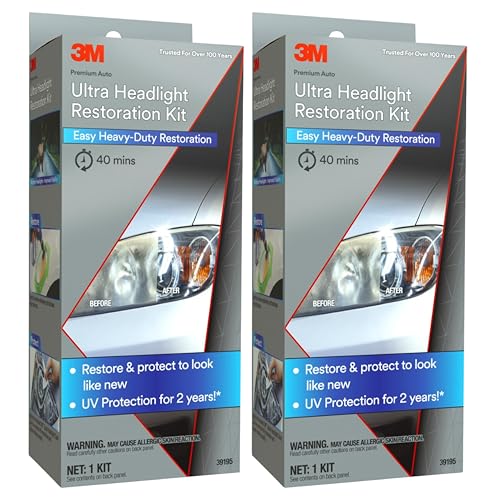
2-PACK VALUE: Includes 2 complete Ultra Headlight Restoration Kits (Part 39195) for restoring multiple vehicles or keeping a spare in your garage.

KIT INCLUDES: 1 - 3M Trizact Refining Disc 1000 grit, 3 in/7.6 cm 1 - 3M Trizact Refining Disc 3000 grit, 3 in/7.6 cm 2 - 3M Quick Headlight Clear Coat Wipes 1 - Foam Pad with 3M Hookit Attachment, 3 in/7.6 cm 1- Disposable Glove

ENHANCE YOUR VISIBILITY: Our Car Headlight Restoration Polishing Kit effectively tackles yellowing and cloudiness, ensuring your headlights shine brightly. Experience improved brightness and visibility in just minutes with our headlight restoration kit designed for all vehicle types. It's safe, fast, and permanently effective, boosting both the sleek look of your vehicle and your visibility during night driving.
Advanced Coating Options for Extended Protection
After completing standard restoration procedures, you’ll need premium coating solutions that extend headlight clarity beyond typical 6-24 month restoration cycles. Ceramic coatings chemically bond to polycarbonate surfaces, forming hydrophobic layers that repel contaminants while blocking UV oxidation. Coating durability reaches 3-5 years with proper maintenance protocols. Ceramic benefits include scratch resistance against debris abrasion and superior yellowing prevention compared to traditional sealants.
Alternatively, apply paint protection films (PPF) at 8-10 mil thickness for mechanical impact resistance. Self-healing polymer films repair minor scratches through thermal activation, maintaining optical clarity without intervention. XPEL ULTIMATE PLUS™ and similar pre-cut systems provide precise coverage against stone chips and environmental degradation.
For maximum protection, combine Optimum Opti-Lens hybrid polymer coating with PPF overlay, creating dual-layer defense against UV exposure and physical damage. While most kits remove cloudiness effectively, UV protection coatings significantly extend the longevity of restoration results. Standard restoration kits utilizing Trizact™ technology deliver superior results through advanced abrasive systems designed for polycarbonate lens surfaces. Professional-quality results at home can be achieved by following proper application techniques and using lens restorer compounds designed specifically for your level of headlight deterioration.

HEADLIGHT RESTORATION CERAMIC KIT (GAP401): Complete DIY headlight restoration kit for vehicle owners with cloudy, yellowed, or oxidized headlights who want restored clarity and ceramic protection when detailing at home without dealer costs

BY POPULAR DEMAND! - The Cerakote Headlight Step 3 Professional Detailer Pack was designed by popular demand for detailing professionals and car lots that need quick and easy access to multiple headlight restoration applications.
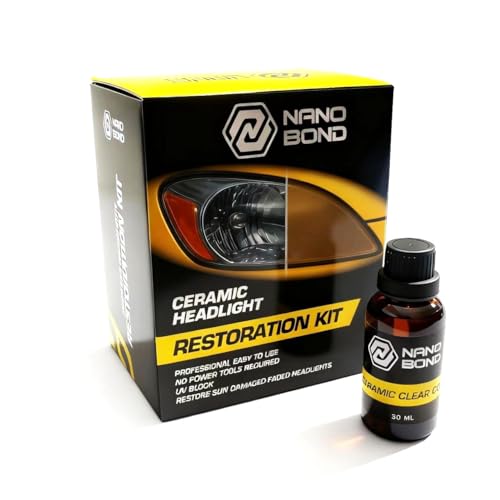
Fix Foggy Headlights - Restore factory clarity to your vehicle with this professional headlight restoration kit. This specialized formula acts as a powerful headlight cleaner to eliminate the haze that ruins your car's look and compromises your safety on the road.


