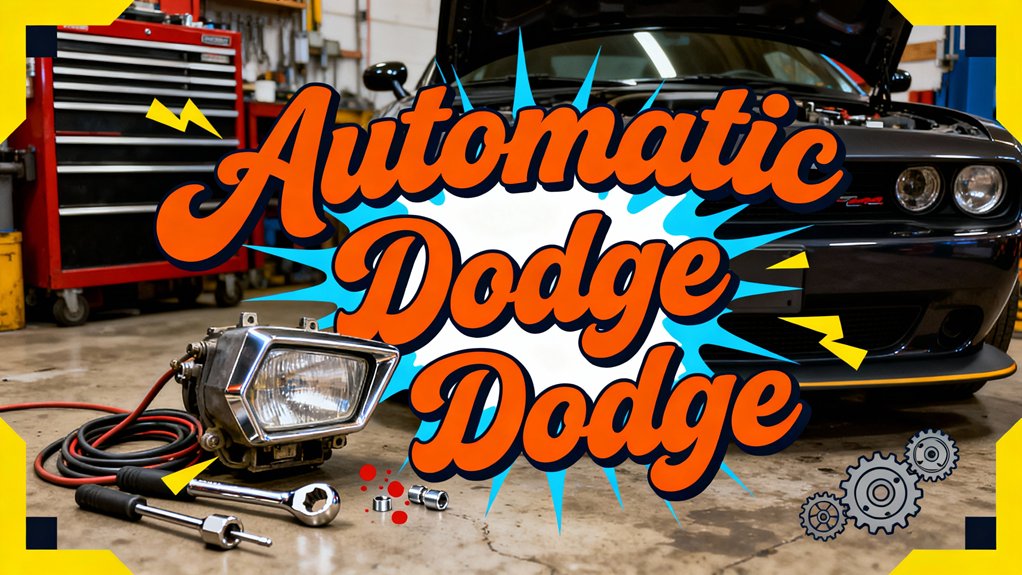
To replace your Dodge Challenger’s headlight bulbs, first disconnect the battery and access the assembly by opening the hood. Remove the weather cap by rotating it counterclockwise, then disconnect the electrical connector by lifting its locking tab. Rotate the bulb holder counterclockwise to release it, remove the old bulb by its base only, and install the new bulb using the alignment tabs. Reconnect everything in reverse order and test functionality. The following sections provide detailed specifications and troubleshooting guidance.
Preparation and Safety Precautions
Before replacing headlight bulbs on your Dodge Challenger, you must establish a safe working environment and gather the proper equipment. This preventative maintenance procedure requires clean, lint-free nitrile or latex gloves to prevent skin oils from contacting the halogen bulb glass, which reduces lifespan. Wear safety goggles to protect against debris or breakage. Disconnect your vehicle’s battery to prevent electrical shock or short circuits—common issues during improper bulb replacement. Work in a well-lit, dry area with adequate ventilation. Consult your owner’s manual for specific bulb specifications and compatibility. Arrange necessary tools including Phillips and flathead screwdrivers, socket wrenches, and rubbing alcohol with lint-free cloths. Most headlight replacements can be completed in approximately 10-15 minutes with proper preparation and the correct tools on hand. Verify headlight fuse integrity and inspect electrical connectors for corrosion before proceeding with replacement procedures. After replacing your bulbs, proper headlight beam alignment ensures optimal road visibility and safety for all drivers. Consider replacing both headlights simultaneously to ensure balanced brightness and consistent illumination for safer nighttime driving conditions.
Accessing the Headlight Assembly
With your safety equipment in place and workspace prepared, you’ll now gain access to the headlight assembly by removing several protective panels and fasteners. Open the hood fully and remove the radiator shroud components using a panel removal tool to pry off four push pin clips. Peel back the wheel well liner and remove 10-millimeter bolts securing the fender to the bumper. Extract 3-4 push pins along the inner wheel well, then carefully pull the bumper away from the fender to create clearance. Locate and remove the headlight mounting bolts—typically two or three 10-millimeter fasteners. Disconnect electrical connectors by lifting locking tabs, then gently extract the assembly. Proper removal guarantees headlight alignment remains undisturbed during reinstallation. Before reconnecting the assembly, ensure you have safely handled the new bulbs by avoiding contact with the glass surfaces to prevent premature failure. After bulb replacement, you may want to consider wet sanding and polishing compounds to restore clarity if your existing headlights show signs of oxidation or yellowing.

Packaging: 1 x VLINCAR Headlight Assembly Right Passenger Side Only. 100% Brand New and Never used.

Compatible with Dodge Challenger 2008-2020, Magnum 2005-2008.

Packaging:1 x VLINCAR Headlight Assembly Left Driver Side Only. 100% Brand New and Never used.
Removing the Old Bulb
Grasp the weather cap covering the rear of the headlight bulb and rotate it counterclockwise approximately one quarter turn until it detaches from the housing. Store it in a clean location to prevent contamination. Locate the electrical connector and gently release the locking tab, pulling straight back without tugging on wires. Rotate the bulb holder counterclockwise within the headlight assembly until it disengages, then withdraw it using steady pressure. Release the securing clips on the bulb holder and remove the old bulb. Practice proper bulb handling by gripping only the base—never the glass envelope—as skin oils cause premature failure. Inspect the socket for corrosion or debris before proceeding. When replacing the bulb, ensure you have the correct replacement bulb type for your vehicle model to guarantee proper fit and functionality. Follow local disposal methods for the old bulb according to electronic recycling guidelines. Use a small screwdriver to release the tab on the bulb holder if it proves difficult to disengage manually.

Fit for 99% of vehicles - SYJIIP Halogen headlamp are close to the wattage of the stock halogen headlamp bulb, which can reduce the occurrence of CANBUS problems, avoid erroneous and flickering. As long as your stock light bulb model is the same as ours, then SYJIIP's light bulb will be suitable for your car.
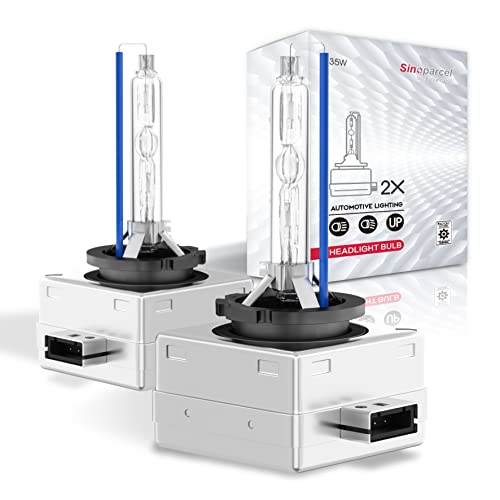
Life time support,2pcs packaged; Replacement part number: 66340 42403 42302 (If there is any problem in the product,please contact us via Account Center,we will reply you within 24 hours)

Halogen Assembly Upgrade: Engineered exclusively for halogen headlight housings. Not compatible with HID/Xenon or LED projector systems.
Installing the New Bulb
After removing the old bulb, examine the new replacement to identify the alignment tabs molded into its base. Match these tabs with the corresponding slots in the headlight housing, ensuring proper orientation before insertion. Avoid touching the glass surface, as skin oils compromise bulb longevity and performance. If installing Xenon HID bulbs, remove the plastic cover that protects the bulbs during shipping before proceeding. Push the bulb straight into the socket until it seats flush, then rotate clockwise until it locks securely. Confirm the bulb doesn’t move loosely within the socket. When selecting your replacement bulb, consider LED and HID options for improved brightness and visibility compared to standard halogen bulbs. Wearing gloves during installation prevents oils from transferring to the bulb glass and ensures optimal performance.
Reconnect the electrical connector to the bulb’s terminals, listening for an audible click indicating full engagement. These installation techniques prevent flickering and electrical failures. Reinstall the weather cap by aligning and twisting it clockwise a quarter turn. Verify the cap sits flush against the housing, maintaining moisture protection and headlight integrity.

900% Brighter Visibility – Each OXILAM 9012 light bulb features 16 high-power chips with a compact spacing design, delivering a concentrated beam that extends further. See obstacles more clearly with 900% improved visibility

【2000% Brighter Than Origin】S6Pro - Top Automotive-Grade chips with 96000LM per pcs, 6500K cool white. Super focused beam pattern design provides wider and farther lighting range which is 20 times brighter than your original bulb

【Plug & Play】 Featuring a wireless, non-polarity design that perfectly matches factory dimensions, Marsauto 9012 Light Bulbs slot right into your housing for a seamless, tool-free installation. For Tail Light Assemblies.
Reassembly and Final Steps
Complete the bulb installation by verifying the electrical connector seats fully against the bulb’s terminals with an audible click, then reinstall the dust cover by twisting it clockwise until it locks flush against the housing. For driver’s side replacements, reposition the air intake assembly, confirming component alignment with all mounting grommets. Hand-tighten bolts first, then torque with a 5/16-inch socket. Reattach any disconnected clamps and tubes securely.
Conduct a final inspection of all fasteners, connectors, and seals. Remove tools from the engine bay and close the hood. Start the vehicle and activate the headlights to verify proper illumination on both sides. Check for flickering or dimming, which indicates connection issues. If you experience persistent issues, consider disabling daytime running lights to isolate electrical problems. Inspect beam alignment to confirm compliance with safety standards and ideal road visibility. Ensure the parking brake engaged before testing to maintain vehicle stability during the headlight function check. After verifying proper function, apply a UV sealant to the headlight housing to protect against oxidation and maintain long-term clarity.

UV Headlight Coating Kit: The Sylvania UV Block Clear Coat Kit is a premium headlight clear coat designed to protect and restore dull or cloudy lenses to like-new condition

PREVENTS HEADLIGHT FADING: Protects headlights from damaging UV rays that cause yellowing, fading, and discoloration.

🌀Quality Butyl Rubber Material - Our butyl tape is made of quality butyl rubber material, which is strong in adhesion, durable and flexible, and has reliable weather and shock resistance, not easy to aging and deformation, which can provide you with long-lasting performance. This sealant can be reused for a long time, which is convenient for you to modify your lights for many times.
Bulb Specifications and Compatibility
Selecting the correct replacement bulb requires matching both the bulb type and size to your specific Challenger model year and headlight system configuration. For 2008-2014 models with factory HID systems, you’ll need D1S bulbs (35W, 3200 lumens). The 2015-2020 Challengers typically use 9012/HIR2 bulbs for halogen setups or D3S/D3R for HID-equipped variants. Note that HID and halogen bulb types aren’t interchangeable—verify your existing headlight system before purchasing replacements.
Installation tips: Check bulb base compatibility (P32d for D1S) and operating voltage range (9-16V for HIRs). Color temperature options include 4300K (warm white), 5000K (pure white), and 6000K (ice white). LED conversions offer improved efficiency but must match your original bulb socket configuration for proper fit. When comparing bulbs, consider factors like brightness levels, longevity, and beam pattern quality to ensure optimal headlight visibility. Across all model years from 2008 to 2017, Challengers use H11 fog light bulbs as standard equipment.
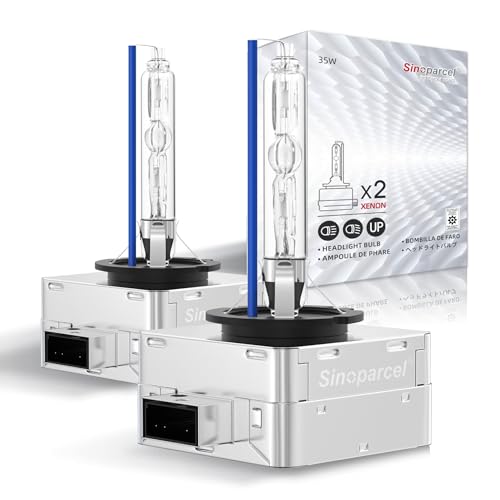
Life time support,2pcs packaged; Replacement part number: 66144 66140 85140 85415 (If there is any problem in the product, please contact us via Account Center,we will reply you within 24 hours)

The D1S D3S headlight hid light bulb holder retainer clip ring compatible with 2010-2015 Camaro 2014-2020 Impala 2014-2020 Suburban 2014-2020 Tahoe 2017-2019 Acadia 2015-2020 Yukon 2015-2020 Challenger
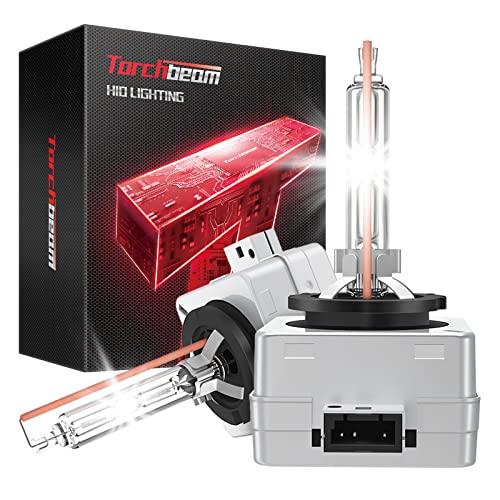
Safer Night Driving: Torchbeam d3s bulbs made with German xenon gas. Replacement OEM Part Number: 42302C1, 42302(WX/XV), 42403(C1), 66340, 66340CBH, 66340CBI, ect.