Cerakote headlight restoration typically lasts 1-2 years under normal driving conditions, though you’ll see extended performance if you garage-park your vehicle. Your results depend heavily on three factors: how thoroughly you prep the surface, your local UV exposure levels, and environmental stressors like road salt and debris. Older, weathered plastics may only maintain clarity for 8 months, while meticulously applied coatings can exceed 2 years. Understanding the preparation techniques, warranty limitations, and degradation factors will help you maximize your coating’s lifespan.
Expected Lifespan Under Different Conditions
When properly applied, Cerakote headlight restoration creates a ceramic barrier that the manufacturer claims will last as long as you own the vehicle, backed by a limited lifetime warranty. Real-world duration typically ranges from 1 to 2 years under normal conditions, though this varies greatly based on environmental considerations. If you garage-park your vehicle, you’ll likely see protection extending beyond 2 years with minimal chipping. Direct UV exposure accelerates degradation, while rain, salt spray, and road debris cause gradual wear. Different headlight types respond variably—older, severely weathered plastics may only maintain clarity for 8 months due to irreparable underlying damage. Temperature fluctuations and humidity also impact coating adherence. Your results depend heavily on thorough surface preparation and proper curing protocols during application. The entire restoration process takes about 30 minutes to complete, making it a quick solution compared to professional services.
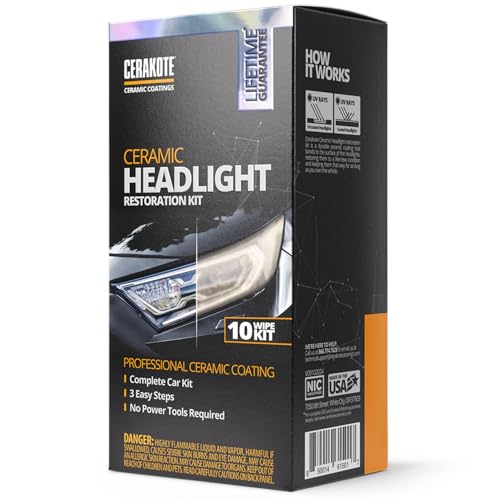
KIT CONTENTS: Each headlight restoration kit includes (8) Step 1 Oxidation Removing Wipes, (1) Step 2 Sanding Kit, and (2) Step 3 Ceramic Coating Wipes

BY POPULAR DEMAND! - The Cerakote Headlight Step 3 Professional Detailer Pack was designed by popular demand for detailing professionals and car lots that need quick and easy access to multiple headlight restoration applications.

200+ Wash Durability - An inorganic ceramic coating, not a temporary dressing. Independently rated to hold its finish past 200 wash cycles instead of rinsing away after the first rain or car wash.
What the Warranty Actually Covers
However, coverage exclusions are significant. The warranty won’t apply if you fail to follow preparation and application instructions precisely. It excludes damage from accidents, misuse, environmental factors, or normal wear and tear. Labor costs, reapplication expenses, and damage to surrounding vehicle components aren’t covered either. You’ll need proof of purchase and must contact Cerakote directly to initiate claims, which they evaluate case-by-case. The warranty disclaims warranties of merchantability and fitness for a particular purpose, as well as liability for consequential or incidental damages.
Why Proper Application Determines Durability
Although Cerakote’s ceramic formula offers superior UV and chemical protection, its long-term durability hinges entirely on proper application technique. Surface preparation proves critical—you’ll need to remove all oxidation using the supplied wipes and wet sand with 2000/3000 grit discs to create ideal mechanical bonding. Skipping these steps causes premature coating failure.
Your application techniques directly impact longevity. Apply a single uniform coat with 50% overlapping horizontal strokes in controlled shade conditions. Multiple coats or heavy application create delamination risks. You must avoid water exposure during the minimum one-hour cure period.
Contamination from oils, moisture, or dust weakens ceramic adhesion considerably. Use gloves throughout the process, guarantee complete dryness before coating, and never overwork applied areas to preserve layer integrity. The ergonomic surface prep pad ensures thorough removal of light scratches that could compromise the ceramic bond. Following these application standards matches professional restoration processes that use progressively finer grit sandpapers to achieve superior surface smoothness before any protective coating is applied.

KIT INCLUDES: 1 - Disc Pad Holder, 3.25 in (8,2 cm) 6 - 3M Gold Sanding Discs 500 Grit, 3 in (7,6 cm) each 4 - 3M White Finishing Discs 800 Grit, 3 in (7,6 cm) each 1 - 3M Trizact Refining Disc 3000 Grit, 3 in (7,6 cm) 2 - 3M Quick Headlight Clear Co

Instructions for Use: The first yellow drill attachment installed on the drill, cushion pad white surface and drill attachment black surface paste, use the first in the lamps on the spray water and then use the cleaning pad to dry in a circle, and then according to the grain size from small to large in order to use the waterproof abrasive disc on the lamps for polishing, and finally use the sponge polishing pad for polishing

Complete Set: Exquisite toolbox, 800g headlight repair fluid, atomizing cup + 2 lids set(contains 2 lid silicone rings), 6 sandpapers(180# – 280# – 320# – 600# – 800# – 1200#), emery board, funnel, guard tape, power supply set (110V power cord + car power cord), instruction manual. All the tools you need are included in one kit, no additional purchases are required.
Factors That Shorten Coating Performance
Even with perfect application, several factors actively work against your Cerakote headlight restoration’s longevity. UV radiation breaks down the ceramic matrix, while temperature cycling creates stress-induced microcracks. Road chemicals—salt, oils, and deicers—chemically erode the protective layer. Coating abrasion occurs from airborne particulates, gravel impacts, and automated car wash brushes that physically wear the surface.
Your cleaning techniques directly impact durability. Harsh solvents, petroleum-based products, and abrasive materials compromise coating integrity. Environmental contaminants like acid rain, tree sap, and bird droppings chemically attack the ceramic bond if not promptly removed.
Pre-existing headlight conditions matter greatly. Aged plastics with surface crazing, incomplete oxidation removal, or previous treatments prevent proper adhesion. Methods like wet sanding with progressively finer grit sandpaper during initial restoration ensure better surface preparation for coating adhesion. Frequent exposure to extreme conditions accelerates degradation, while neglecting regular, gentle maintenance compounds deterioration rates. The coating’s UV-resistant barrier is specifically designed to combat oxidation, yellowing, and fogging when properly maintained.

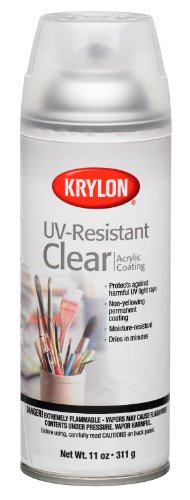
UV Headlight Coating Kit: The Sylvania UV Block Clear Coat Kit is a premium headlight clear coat designed to protect and restore dull or cloudy lenses to like-new condition

CLEAR LIGHTS: Meguiar's Clear Headlight Coating is the ultimate solution to maintain exceptional optical clarity on both new and restored headlights, ensuring optimal visibility and safety during nighttime driving
Real User Results and Reapplication Needs
Real-world testing reveals Cerakote headlight restoration typically delivers 8 months to 2 years of protection, contradicting the manufacturer’s lifetime claims. User experiences show performance varies markedly based on UV exposure, climate conditions, and application quality. You’ll notice initial clarity improvements remain superior to untreated headlights throughout most of the coating’s lifespan, even as gradual dulling occurs.
Reapplication frequency depends on your environmental conditions and degradation tolerance. Most users reapply after 12-18 months when chipping or fading becomes noticeable. When conducting coating comparison assessments, meticulous surface preparation directly correlates with extended durability. Thorough sanding beyond minimum requirements and proper drying substantially improve adhesion. Different restoration methods, including UV sealants and abrasive polishing systems, require varying maintenance schedules based on their protective mechanisms.
The lifetime warranty provides replacement kits if coating fails prematurely, requiring proof of purchase and proper application documentation. You’ll maximize longevity by following manufacturer protocols precisely during initial application. The ceramic coating fills imperfections left from the sanding process while simultaneously providing protective benefits against future oxidation.