
You can identify a bad headlight bulb through visual inspection for cracks, blackening, or filament breaks inside the glass envelope. Test it by checking for dim output, flickering, color shifts from white to yellow, or complete failure. Use a multimeter to measure resistance—infinite readings confirm a dead filament. For HID bulbs, watch for delayed ignition, pink or purple discoloration, and startup flickering. Swap bulbs between sides to isolate whether the problem follows the bulb or remains with the housing, revealing the true cause.
Visual Signs of Headlight Bulb Damage
When inspecting headlight bulbs for potential failure, physical damage provides the most immediate and definitive diagnostic indicator. Begin your crack inspection by examining the bulb’s glass envelope for fractures, chips, or complete breaks that compromise structural integrity. During discoloration assessment, identify burn marks, yellowing, or blackened areas on the bulb surface or base—these signify filament degradation or thermal stress. Check for swollen or deformed casings indicating internal overheating. Inspect the bulb base for melted plastic or corrosion at contact points. Look for moisture accumulation inside the housing, which accelerates bulb deterioration. Examine clear-cased bulbs for broken or sagging filaments. Note any oil residue on halogen bulbs, as finger oils create hot spots causing premature failure. Premium halogen bulb options often feature improved color temperature ratings that help you distinguish performance differences when comparing your current bulb to newer models. Bulbs that show reduced brightness compared to their paired headlight indicate deterioration and nearing end of life. Properly functioning headlights require correct beam alignment to ensure optimal visibility and safety on the road. Visible damage in any form warrants immediate bulb replacement.

Lights Dim Over Time, Replace In Pairs: Your lights are a pair, one is never turned on without the other. If one bulb burns out, the other isn't far behind. Replace your H7 XtraVision Halogen bulbs in pairs for optimum performance.

Lights Dim Over Time, Replace In Pairs: Your lights are a pair, one is never turned on without the other. If one bulb burns out, the other isn't far behind. Replace your 9003 XtraVision Halogen bulbs in pairs for optimum performance.
Common Light Output Problems
Beyond physical damage to the bulb itself, performance deterioration manifests through measurable changes in light output that indicate impending or current bulb failure. Dim illumination signals filament deterioration or gas depletion, compromising visibility and causing MOT inspection failures. You’ll notice gradual brightness reduction over weeks, often accompanied by color shifts from white to yellow. Flickering lights indicate intermittent filament breakdown, serving as early warning before complete burnout. This symptom requires immediate diagnosis—swap bulbs between headlights to isolate whether the bulb or electrical system is faulty. In HID configurations, flickering may stem from ballast malfunction rather than bulb degradation. If the flickering persists after bulb replacement, the ballast may be failing to regulate power properly. Complete light failure occurs when filaments burn out entirely. LED headlights may experience lumen loss in sustained heat conditions, which can mimic dimming caused by traditional bulb degradation. LED flickering can also result from voltage fluctuations in the vehicle’s electrical system, requiring diagnosis of the alternator and power supply before assuming bulb failure. Replace both headlights simultaneously to maintain balanced illumination and prevent mismatched color temperatures that reduce road contrast and increase eye strain.

⭐【Super Bright H11 Bulbs】Our H11 headlight bulbs deliver over 1000LM brightness and a 3800K color temperature, ensuring optimal visibility in foggy and rainy conditions. Upgrade your automotive headlight bulbs for safer nighttime driving.

Lights Dim Over Time, Replace In Pairs: Be sure to replace both 9005 headlights at the same time for optimum performance. If one bulb burns out, the other isn't far behind. Replacing in pairs allows for premium visibility

Lights Dim Over Time, Replace In Pairs: Your lights are a pair, one is never turned on without the other. If one bulb burns out, the other isn't far behind. Replace your 9007 XtraVision Halogen bulbs in pairs for optimum performance.
Electrical and Wiring Warning Signs
Electrical system malfunctions frequently masquerade as simple bulb failures, requiring systematic diagnosis to pinpoint the actual fault location. You’ll detect wiring faults through specific symptoms: flickering headlights when traversing uneven surfaces indicate loose connectors or damaged harnesses, while synchronized dimming during accessory activation suggests excessive power draw or alternator deterioration. Voltage drops at terminals and corroded grounds produce characteristic dim output without complete failure. Complete bilateral headlight outages typically implicate power supply components—battery, alternator, or shared control modules—rather than dual bulb burnout. Monitor for electrical irregularities including abnormal relay clicking, dashboard bulb failure indicators, and moisture-induced connector corrosion. Frequent replacement cycles signal socket degradation or harness instability. Faulty switches cause selective beam failures, while overheating control modules trigger intermittent shutdowns detectable only under load testing protocols. Testing the headlight after diagnosis ensures proper function and identifies whether the issue stems from ballast failure or electrical wiring problems. Proper beam pattern alignment and housing design are essential to converting available electrical power into usable road illumination. Gradual deterioration of bulb brightness often makes visibility issues harder to detect, necessitating regular inspection by a qualified mechanic.
Testing Methods to Confirm Bulb Failure
Once you’ve ruled out wiring and power supply problems, systematic bulb testing isolates component-level failures through four primary diagnostic methods. Visual inspection confirms broken filaments, glass blackening, or cracked LED lenses. Multimeter resistance testing measures continuity across contacts—expect 0.5–5 Ω for halogen filaments; infinite resistance (OL) indicates an open circuit and confirms failure diagnosis. Direct voltage testing applies 12V via fused jumper to verify the bulb illuminates when bypassing vehicle circuits. Bulb swap testing exchanges suspected and known-good bulbs between headlight assemblies; if the failure follows the bulb, you’ve confirmed bulb failure diagnosis; if it remains with the fixture, suspect ballast or connector faults. Modern bi-LED dual headlight systems offer superior beam pattern quality and durability compared to traditional halogen bulbs. Always disconnect the car battery before performing any hands-on bulb testing to prevent electrical shock or short circuits. Consider the color temperature and brightness specifications of your replacement bulb to ensure optimal visibility and compliance with vehicle regulations. These bulb testing procedures definitively separate bad bulbs from electrical system defects.

[90,000LM Ultra-Bright Output & Daylight Clarity] Termitor 9007/HB5 HID car lighting kits deliver 90,000 lumens of crisp 6500K Daylight White light, dramatically improving contrast on trails and roads. Whether in dense fog, heavy rain, or darkness, you get a wide, clear field of view for safer off-road driving. Pack of 2 offers a complete upgrade for your lighting needs.

[High quality material] : The headlight connector is made of durable ABS material and stable transmission copper wire material, ABS shell is scratch-resistant, wear-resistant, not easy to break, durable; Copper wire has excellent electrical conductivity and stable transmission. The whole has the characteristics of high efficiency, high temperature resistance, heavy duty and lasting, and can be used for a long time
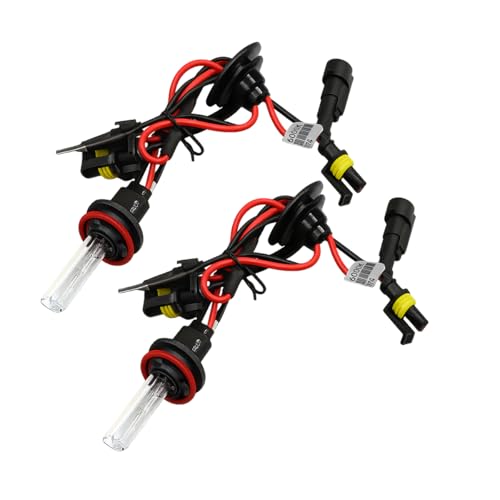
High Quality Material: This automobile bulb is made of high-quality quartz tube material, which has excellent high-temperature resistance and can maintain a stable structure during long periods of illumination. At the same time, the quartz tube has strong impact resistance and can withstand minor vibrations, providing reliable protection for the long-term use of the lamp bulb.
HID Headlight-Specific Failure Indicators
High-Intensity Discharge (HID) headlights exhibit distinct failure patterns that differ from halogen and LED systems due to their gas-discharge arc technology and ballast-dependent operation. Intermittent flickering during startup signals electrode degradation—the bulb struggles to maintain arc stability as internal components deteriorate. Color shift from bright white or blue to pink, purple, or yellow indicates gas mixture depletion and phosphor coating breakdown. This chromatic change typically precedes complete failure. Delayed ignition exceeding three seconds suggests weak electrode emissions or insufficient ballast voltage. Single-side failures warrant swap testing: relocate the suspected bulb to the opposite housing. If the problem transfers, you’ve confirmed bulb failure rather than ballast or wiring issues. HID bulbs operating beyond their 2,000-hour service life exhibit progressively worsening symptoms until total failure occurs. A buzzing or humming noise near the headlight assembly points to ballast malfunction rather than bulb deterioration.
Differentiating Bulb Problems From Ballast Issues
When HID headlights fail, pinpointing whether the bulb or ballast caused the malfunction requires systematic diagnostic testing rather than guesswork. Start by switching bulbs between driver and passenger sides—if the problem follows the bulb to the opposite side, you’ve confirmed bulb failure. If the issue remains on the original side, you’re likely dealing with ballast failure. Verify all connections and polarity before testing to guarantee accurate results. Visual inspection provides additional clues: burnt-out bulb appearance indicates exhausted bulb lifespan, while buzzing sounds or flickering point to ballast malfunction. Look for burn marks on the ballast itself, as these serve as clear indicators of component failure. No noise with complete failure typically suggests bulb issues. When bulb swapping doesn’t resolve the problem, swap ballasts next to isolate the faulty electrical regulator definitively. Understanding color temperature and brightness levels can also help you assess whether a bulb is performing at its rated specifications before replacing it entirely. Different bulb types like H11 and 9005 have distinct wattage and lumen output specifications that affect their performance and brightness.
When to Replace Your Headlight Bulbs
Recognizing the critical moment for headlight bulb replacement protects your safety and prevents traffic violations. Replace bulbs immediately when you observe complete failure, dim output, or flickering behavior. Bulb lifespan factors include exposure duration (typically 500 hours), on-off cycling frequency, and environmental conditions affecting filament integrity. Replace headlight bulbs in pairs to maintain uniform brightness and color temperature, even if only one side fails. Single bulb failure predicts imminent counterpart burnout due to identical usage patterns. Replacement frequency guidelines recommend proactive switching when output drops below standard lumen ratings or when blackened glass appears inside halogen units. Test both low and high beams during inspection to confirm failure patterns. Don’t delay replacement when visual inspection reveals broken filaments, corroded sockets, or discolored bulb bases compromising electrical connection. You can identify the correct bulb type, such as H11 or 9005 bulbs, by consulting your vehicle’s manual or checking your current headlight assembly. Consider upgrading to LED upgrade options for enhanced brightness and longer lifespan compared to standard halogen bulbs. Learning to replace bulbs yourself saves money on mechanic costs and builds confidence in handling routine automotive maintenance tasks.

UP to 300% Brighter—Clearer Warm White Light Vision: Littlelucky H11 halogen bulbs output a 3800K,4000LM warm white light, experience up to 300% brighter for clearer vision in low-light and fog etc conditions, enhancing driving safety and visibility
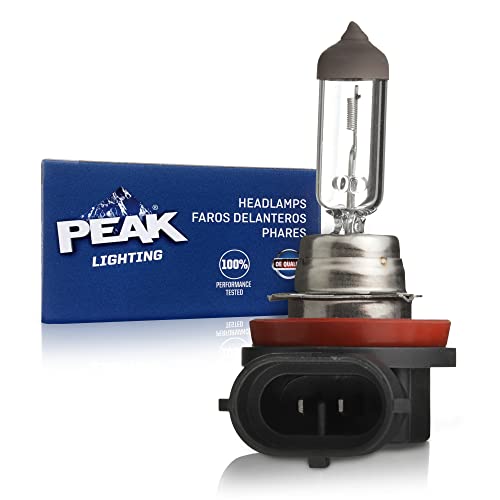
REPLACEMENT HEADLIGHT BULB: A powerful and convenient single automotive light bulb, suitable for headlight replacement and restoration of your motorized vehicle

Preventive Maintenance for Headlight Longevity
Beyond identifying and replacing failed bulbs, systematic maintenance protocols extend headlight assembly lifespan and preserve peak light output. Implement headlight cleaning every 2–3 months using microfiber cloths and dedicated cleaners—accumulated grime blocks up to 50% of light transmission. Apply UV-protective sealants post-cleaning to prevent oxidation-induced fogging. Products like headlight restoration kits can effectively remove existing oxidation and restore clarity to degraded lenses.
Moisture control requires quarterly inspections of housing seals and gaskets. Check for condensation indicators, reseal compromised joints, and verify vent functionality. Deploy silica gel packets for minor moisture accumulation in sealed assemblies. For headlights with internal dust or moisture buildup, consider tools designed to clean the inside of headlights by safely removing accumulated debris and moisture without disassembling the entire lens.
Conduct annual diagnostics covering seal integrity, connector corrosion, and beam alignment verification. Clean electrical contacts with contact cleaner, then apply dielectric grease to prevent voltage drops. For oxidized lenses, use progressive wet-sanding (600–3000 grit) followed by polishing compounds. Replacing bulbs in pairs ensures consistent light distribution and balanced visibility across both headlights. These protocols maintain halogen assemblies beyond decade-long service intervals.

KIT INCLUDES: 1 - Disc Pad Holder, 3.25 in (8,2 cm) 6 - 3M Gold Sanding Discs 500 Grit, 3 in (7,6 cm) each 4 - 3M White Finishing Discs 800 Grit, 3 in (7,6 cm) each 1 - 3M Trizact Refining Disc 3000 Grit, 3 in (7,6 cm) 2 - 3M Quick Headlight Clear Co

KIT CONTENTS: Each headlight restoration kit includes (8) Step 1 Oxidation Removing Wipes, (1) Step 2 Sanding Kit, and (2) Step 3 Ceramic Coating Wipes
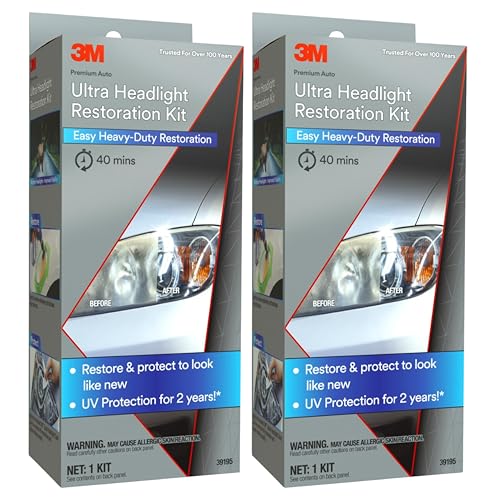
2-PACK VALUE: Includes 2 complete Ultra Headlight Restoration Kits (Part 39195) for restoring multiple vehicles or keeping a spare in your garage.


